

ith the growing demand for energy-efficient and sustainable lighting, choosing a trusted LED light manufacturer is crucial. LED lights are now the preferred choice for residential, commercial, and industrial applications due to their longevity, efficiency, and eco-friendliness. In this comprehensive guide, we will explore the role of an LED light manufacturer, the manufacturing process, key factors to consider, and the latest trends in LED technology.
What Is an LED Light Manufacturer?
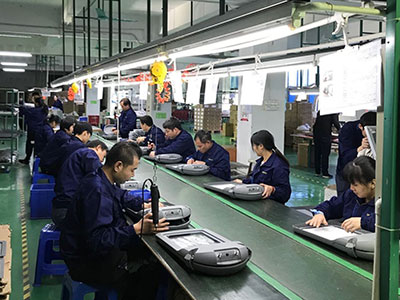
An LED light manufacturer designs, produces, and distributes LED lighting products. They specialize in developing high-performance LED technology for various applications, including:
- Residential lighting
- Commercial lighting
- Industrial lighting
- Automotive lighting
- Smart lighting solutions
Types of LED Light Manufacturers
- OEM (Original Equipment Manufacturer) – Produces LED components for other brands to use in their products.
- ODM (Original Design Manufacturer) – Designs and manufactures LED lights under their own brand or for private labeling.
- Custom LED Manufacturers – Create tailored LED solutions based on customer specifications.
Key Factors to Consider When Choosing an LED Light Manufacturer
1. Certifications and Compliance
A reliable manufacturer should adhere to industry standards such as:
- ISO 9001 Certification (Quality management system)
- RoHS Compliance (Restriction of hazardous substances)
- CE Marking (European conformity for safety and health standards)
- UL Certification (Safety certification for electrical products)
2. Product Quality and Performance
High-quality LED lighting products should offer:
- High luminous efficacy (lumens per watt)
- Long lifespan (50,000+ hours)
- Low power consumption
- Uniform color temperature and brightness
3. Technology and Innovation
A cutting-edge LED light manufacturer invests in:
- Smart lighting solutions (WiFi-enabled, motion sensors, dimmable LEDs)
- Advanced chip technology (COB, SMD LEDs)
- Heat dissipation techniques for extended lifespan
4. Customization and Flexibility
If you need tailored solutions, look for manufacturers that provide:
- Custom LED designs
- Different color temperatures and wattages
- Smart integration with home automation systems
5. Energy Efficiency and Sustainability
A leading LED manufacturer focuses on sustainable production, ensuring:
- Low carbon footprint
- Eco-friendly materials
- Energy Star certification
6. Manufacturing Capabilities
Check if the manufacturer offers:
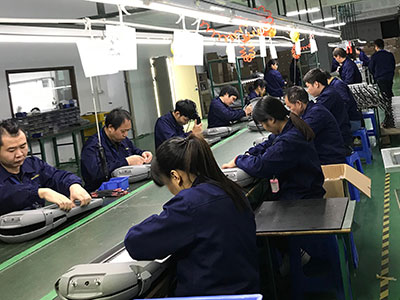
- High-volume production capabilities
- Advanced automation for consistency
- Rigorous quality control processes
7. Warranty and After-Sales Support
Reliable manufacturers provide:
- Warranty coverage (typically 3-5 years)
- Technical support for troubleshooting
- Spare part availability
The LED Light Manufacturing Process
Step 1: LED Chip Production
Manufacturers source LED chips from reputable suppliers to ensure quality and efficiency.
Step 2: Circuit Board Assembly
LED chips are mounted on circuit boards for efficient electrical conductivity.
Step 3: Heat Management Design
Heat sinks and thermal management techniques are integrated to enhance durability.
Step 4: Lens and Diffuser Installation
Optical lenses or diffusers are added to control light distribution and glare.
Step 5: Housing and Enclosure Design
LED lights are encased in robust, weather-resistant enclosures for longevity.
Step 6: Quality Testing and Certification
Manufacturers conduct:
- Luminous intensity testing
- Color accuracy tests
- Heat dissipation evaluations
- Safety and compliance verification
Step 7: Packaging and Distribution
Once approved, LED products are securely packaged and distributed worldwide.
Benefits of Working with a Trusted LED Light Manufacturer
1. Cost Savings
Energy-efficient LED solutions lower electricity bills and maintenance costs.
2. Consistent Quality
Certified manufacturers ensure high-quality production and durability.
3. Customization
Tailored LED lighting solutions meet specific project requirements.
4. Scalability
Reliable manufacturers can handle bulk orders with fast turnaround times.
5. Eco-Friendliness
Sustainable manufacturing reduces environmental impact and supports green initiatives.
Emerging Trends in LED Lighting
- Smart LED Lighting – AI-powered LED lights with voice control and automation.
- Human-Centric Lighting – LED solutions that mimic natural daylight to improve well-being.
- Solar-Powered LEDs – Sustainable lighting solutions for off-grid applications.
- Micro and Mini LEDs – Advanced lighting technologies for high-end displays and automotive use.
- Tunable White LEDs – Adjustable color temperature for different moods and environments.
How to Choose the Best LED Light Manufacturer
Step 1: Define Your Requirements
Determine the type of LED lighting needed, including wattage, color temperature, and application.
Step 2: Research Potential Manufacturers
Compare manufacturers based on certifications, reputation, and product range.
Step 3: Request Samples
Test product quality, brightness, and durability before placing bulk orders.
Step 4: Verify Compliance and Warranty
Ensure the manufacturer meets safety standards and provides sufficient warranty coverage.
Step 5: Discuss Pricing and MOQ
Negotiate costs, minimum order quantities, and delivery timelines for a profitable partnership.
Conclusion
Partnering with a reliable LED light manufacturer ensures access to high-quality, energy-efficient, and durable lighting solutions. Whether you need LED bulbs, industrial lighting, or smart LED systems, working with an expert manufacturer guarantees superior performance and innovation.
Looking for a trusted LED light manufacturer? Visit Sinoco LED for cutting-edge LED lighting solutions that meet global quality standards.