

The concept of smart cities has taken center stage as urban populations surge and sustainability becomes a global priority. At the core of these cities is one critical but often overlooked component—street lighting. Traditional streetlights consume vast amounts of energy, require routine maintenance, and lack interactivity. Enter the era of smart LED street light technology, an innovation that goes far beyond mere illumination. These systems are designed to enhance energy efficiency, ensure public safety, collect valuable environmental data, and integrate seamlessly into broader smart city networks.
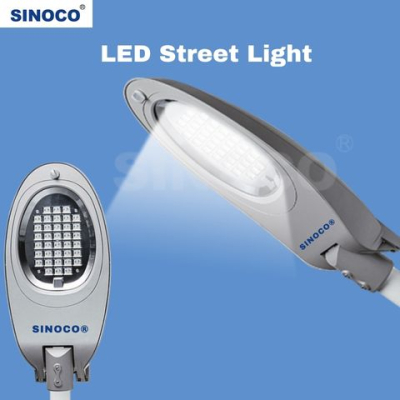
Smart LED street lights are not just about saving electricity. They’re about transforming how cities function. From real-time monitoring to adaptive lighting control, these intelligent systems use sensors, data analytics, and wireless communication to dynamically respond to city needs. They reduce costs, extend the life of infrastructure, and support a cleaner, safer, more connected urban environment.
Whether you’re a city planner, a business owner, or a sustainability advocate, understanding the benefits, features, and implementation strategies of smart lighting is crucial for staying ahead in urban innovation. Let’s explore what makes these systems ‘smart’ and why they’re rapidly becoming the backbone of smart urban infrastructure.
Smart LED Street Light Innovation for Smarter Cities
In this detailed guide, we’ll walk you through everything you need to know about smart LED street light systems—from how they work and their key components, to real-world benefits, cost analysis, future trends, and implementation strategies tailored for modern cities. Smart LED street lights are a cutting-edge innovation in urban infrastructure. Unlike conventional lighting, these systems combine energy-efficient LED luminaires with Internet of Things (IoT) capabilities. What sets them apart is their ability to communicate, adapt, and self-monitor. These lights are equipped with sensors and software that allow them to respond dynamically to real-time conditions such as traffic flow, pedestrian movement, or environmental factors.
Features that Define Smart Lighting:
- Automation: On/off control and brightness adjustment based on time, traffic, or weather
- Connectivity: Integration with wireless networks like Zigbee, LoRaWAN, or NB-IoT
- Remote Management: Cloud-based platforms for centralized monitoring and control
- Data Collection: Capable of tracking environmental data like temperature, air quality, and noise levels
These intelligent systems are foundational for any smart city project aiming for sustainability, safety, and efficient urban management.
How Smart LED Street Lighting Systems Operate: Sensors, Networks, and Controllers Explained
Understanding how these systems work requires breaking them into three essential components: the hardware, the network, and the software.
Key Components Inside a Smart LED Street Light
- LED Luminaire: High-efficiency lighting with up to 50,000 hours lifespan
- Controller: A microprocessor that manages light output and collects sensor data
- Sensor Suite: Includes motion detectors, light sensors, and sometimes environmental monitors
Wireless Communication and IoT Integration
- Zigbee & LoRaWAN: Common protocols for low-power, long-range communication
- NB-IoT: Narrowband IoT allows high-density connectivity in urban environments
Centralized Management and Remote Monitoring Explained
All the data collected by the streetlight nodes is transmitted to a Central Management System (CMS). Through cloud-based dashboards, city administrators can:
- Monitor lighting performance
- Diagnose issues in real time
- Adjust lighting schedules remotely
- Generate reports on energy savings and maintenance needs
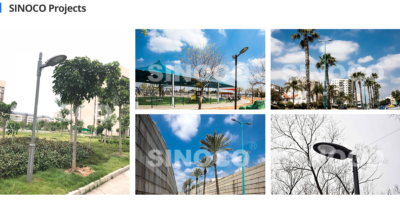
Top Benefits of Adopting Smart LED Street Lights for Urban Environments
Unmatched Energy Efficiency and Environmental Impact
- Energy Savings: Up to 70% lower energy consumption compared to traditional lighting
- Carbon Footprint: Significant reduction in CO2 emissions
Predictive Maintenance and Lower Operational Costs
- Automated alerts for outages and malfunctions
- Reduces need for manual inspections
- Extends hardware life cycle
Enhanced Public Safety and Smart Surveillance Integration
- Improved night visibility helps reduce crime and traffic accidents
- Integration with CCTV and emergency alert systems
Real-Time Data Collection for City Planning and Management
- Enables city planners to make data-driven decisions
- Enhances traffic flow management
- Tracks pollution levels for environmental strategies
Comparing Traditional Street Lighting to Smart LED Technology: A Feature-by-Feature Breakdown
| Feature | Traditional Lighting | Smart LED Street Lighting |
|---|---|---|
| Energy Efficiency | Low | High |
| Lifespan | 1,000–5,000 hours | 50,000+ hours |
| Real-Time Control | No | Yes |
| Maintenance Detection | Manual | Automated |
| Integration with Smart Systems | No | Yes |
| Environmental Impact | High | Low |
Smart lighting offers a clear upgrade over traditional systems, combining longevity with intelligence and eco-friendliness.
Advanced Features and Technologies Found in Modern Smart LED Street Lights
Adaptive Dimming and Brightness Control
These systems can dynamically change brightness based on:
- Time of day
- Pedestrian presence
- Vehicle flow
Motion and Ambient Light Sensor Capabilities
- Turn on lights when motion is detected
- Adjust intensity based on ambient light conditions
Cloud-Based Remote Monitoring Platforms
- Web-based dashboards for real-time control
- Mobile apps for on-the-go adjustments
AI and Machine Learning in Smart Lighting Systems
- Predicts maintenance schedules
- Optimizes lighting patterns based on historical data
Environmental and Traffic Monitoring with Sensor Integration
- Tracks pollution levels and temperature
- Supports traffic analytics and congestion management
How Smart LED Street Lighting Fits into the Broader Smart City Infrastructure
Smart streetlights do more than light the streets. They act as multifunctional nodes in a smart city ecosystem.
Traffic Management and Pedestrian Safety Enhancements
- Dynamic lighting at intersections and crossings
- Helps reduce road accidents and improve pedestrian visibility
Smart Parking Guidance and Urban Navigation
- Illuminates vacant parking spots
- Integrates with smart parking apps and wayfinding systems
Real-Time Environmental Monitoring in Urban Areas
- Collects data on air quality, noise, and weather
- Supports urban planning and public health initiatives
Programmable Lighting for Public Events and Tourism
- Customize light displays for festivals and events
- Enhances public engagement and tourism experience
Exploring the Architecture Behind Smart Lighting Networks and IoT Communication
Edge-Level Devices: What Happens at the Light Pole
- Data processing and local decision-making occur at each node
- Reduces the need for constant communication with central servers
Communication Protocols: Zigbee, LoRaWAN, NB-IoT, and More
- Each has unique advantages depending on range, power usage, and scalability
Cloud Platforms and AI Dashboards for City Managers
- Centralized control center accessible via desktop or mobile
- AI-powered insights and alerts for better decision-making
What Does It Cost to Implement Smart LED Street Lighting? ROI and Long-Term Savings
Average Per-Light Cost Breakdown
- $150 to $500 depending on features and network requirements
Energy Savings and Operational Efficiencies
- Drastic reduction in energy bills
- Streamlined operations reduce manpower and repair costs
Government Incentives, Grants, and Carbon Credits
- Many governments offer green infrastructure subsidies
- Opportunities for carbon offset programs and ESG scoring
ROI Timeline and Sustainability Impact
- Most systems reach ROI in under 5 years
- Long-term sustainability benefits extend for 15+ years
Challenges in Deploying Smart LED Street Lights and How to Overcome Them
High Upfront Costs and Budget Planning
- Start with pilot projects
- Seek public-private partnerships or grants
Data Security and Privacy Considerations
- Use encrypted communication
- Follow strict data governance protocols
Infrastructure Compatibility and Standardization
- Choose open-standard platforms for future scalability
- Avoid vendor lock-in
Community Awareness and Public Buy-In
- Run educational campaigns to inform citizens
- Highlight benefits like safety and environmental impact
Future Trends in Smart Street Lighting Technology and Urban Innovation
Artificial Intelligence and Predictive Lighting
- Adaptive schedules based on traffic and usage predictions
5G Integration for Ultra-Fast Data Exchange
- Supports real-time video and analytics
- Enables integration with autonomous vehicles
V2X (Vehicle-to-Everything) Communication for Smarter Mobility
- Lights communicate with smart cars for optimized visibility
Renewable Energy Integration (Solar and Wind-Powered Lighting)
- Off-grid lighting with solar panels and energy storage
- Helps cities achieve zero-carbon goals
Frequently Asked Questions About Smart LED Street Light Technology
Q1. How long do smart LED street lights last?
A: Typically 50,000 to 100,000 hours, translating to 10–20 years of usage.
Q2. Can smart street lights run on solar energy?
A: Yes, many modern systems are designed to operate with integrated solar panels.
Q3. Do they need constant internet connectivity?
A: Not necessarily. They use low-bandwidth protocols like Zigbee or LoRaWAN which don’t require constant Wi-Fi.
Q4. How secure are smart LED lighting systems?
A: With proper cybersecurity measures (encryption, firewalls, regular audits), they are highly secure.
Q5. What is the maintenance frequency?
A: Predictive maintenance minimizes unscheduled servicing, reducing downtime and costs.
Conclusion: Why Investing in Smart LED Street Light Systems Is Crucial for Urban Growth and Sustainability
As urbanization accelerates, the demand for intelligent infrastructure grows. Smart LED street light systems are more than just a lighting upgrade—they’re a foundational component of smart, safe, and sustainable cities. By integrating IoT, AI, and renewable energy, these systems drastically reduce costs, improve safety, and gather critical data for future city planning.
Cities that adopt smart lighting are not only investing in energy savings but also in resilience, adaptability, and long-term urban success.
Take the Next Step: How to Upgrade Your Infrastructure with Smart LED Street Lighting
Ready to future-proof your city? Visit Sinocoled.com to learn more about our state-of-the-art smart LED street light solutions. Request a demo or connect with our urban lighting specialists today.Tags:LED Street Light, Smart Lighting, Smart Lighting Solutions