

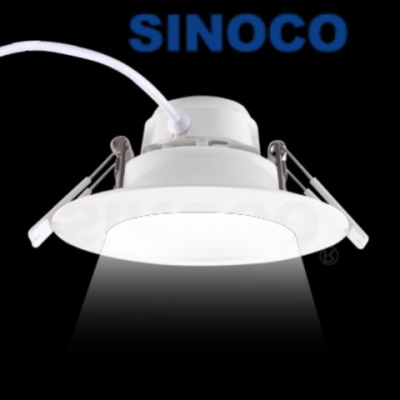
In today’s fast-paced commercial and residential construction industry, LED downlights have become an essential lighting solution due to their energy efficiency, long lifespan, and versatile design. For businesses that rely on lighting installations—whether electrical contractors, retailers, or distributors—partnering with the right LED downlight supplier is more than just a procurement decision; it directly impacts project timelines, product quality, and customer satisfaction.
Choosing a supplier without proper evaluation can lead to delays, substandard products, and even reputational damage. Many businesses make the mistake of focusing solely on price, neglecting critical factors such as certifications, warranty policies, delivery reliability, and technical support. Reliable suppliers not only provide high-quality products but also offer consistent communication, prompt customer service, and flexible options to suit various project requirements. With the LED lighting market growing rapidly worldwide, identifying a dependable supplier can be a competitive advantage that ensures smooth operations and customer trust.
LED Downlight Supplier Tips: How to Find the Most Reliable Partner for Your Business
In this guide, we will explain actionable tips and strategies to help you find the most reliable LED downlight supplier for your business.
1. Prioritize Product Quality and Certifications
When sourcing LED downlights, ensuring product quality is paramount. High-quality lighting products not only meet performance expectations but also comply with industry standards, ensuring safety and reliability.
Key Considerations:
- Certifications: Look for products with certifications such as UL (Underwriters Laboratories), ETL (Edison Testing Laboratories), CE (Conformité Européenne), and RoHS (Restriction of Hazardous Substances). These certifications indicate compliance with safety, environmental, and quality standards.
- Performance Metrics: Evaluate technical specifications like luminous efficacy (lumens per watt), color rendering index (CRI), color temperature (CCT), and lifespan. High CRI values (above 80) and appropriate CCT (measured in Kelvin) are crucial for accurate color representation and suitable ambiance.
- Warranty: A robust warranty period (typically 3-5 years) reflects the manufacturer’s confidence in product durability and provides assurance to your customers.
Example Table:
| Certification | Significance |
|---|---|
| UL | Safety and performance standards |
| CE | Compliance with European regulations |
| RoHS | Restriction of hazardous substances |
2. Assess Supplier Reliability and Lead Times
Timely delivery is critical to maintaining project schedules and customer satisfaction.
Key Considerations:
- Lead Times: Understand the supplier’s average lead times. Shorter lead times are beneficial for urgent projects.
- Delivery Reliability: Assess the supplier’s track record in meeting delivery deadlines. Consistent performance indicates reliability.
- Supply Chain Transparency: Suppliers with clear communication about potential delays and proactive problem-solving are preferable.
Example Table:
| Supplier A | Lead Time | Delivery Reliability |
|---|---|---|
| Supplier X | 2 weeks | 95% |
| Supplier Y | 3 weeks | 90% |
3. Evaluate Technical Support and Customer Service
Effective technical support and customer service are essential for resolving issues promptly and ensuring smooth operations.
Key Considerations:
- Availability: Ensure the supplier provides accessible support channels, such as phone, email, or live chat.
- Expertise: Evaluate the technical knowledge of the support team to address complex queries.
- Response Time: Suppliers with quick response times can resolve issues efficiently, minimizing downtime.
Example FAQ:
Q: What support channels are available?
A: We offer 24/7 customer support via phone, email, and live chat.
4. Review Warranty and Return Policies
Clear and fair warranty and return policies protect your investment and build customer trust.
Key Considerations:
- Warranty Duration: Longer warranty periods (3-5 years) indicate product reliability.
- Coverage: Ensure the warranty covers defects in materials and workmanship.
- Return Process: A straightforward return process with minimal hassle enhances customer satisfaction.
Example Table:
| Supplier A | Warranty Period | Return Policy |
|---|---|---|
| Supplier X | 5 years | 30-day return |
| Supplier Y | 3 years | 15-day return |
5. Consider Supplier’s Reputation and Reviews
A supplier’s reputation and customer reviews provide insights into their reliability and product quality.
Key Considerations:
- Online Reviews: Check platforms like Trustpilot, Google Reviews, or industry-specific forums for customer feedback.
- Case Studies: Review case studies or testimonials to understand the supplier’s experience in handling large projects.
- Industry Recognition: Awards or certifications from industry bodies can indicate a supplier’s credibility.
Example FAQ:
Q: How can I verify the supplier’s reputation?
A: Research online reviews, request case studies, and check for industry awards or certifications.
6. Assess Product Range and Customization Options
A diverse product range and customization options allow you to meet various project requirements.
Key Considerations:
- Product Variety: Suppliers offering a wide range of LED downlights with different sizes, wattages, and designs can cater to diverse needs.
- Customization: Options for custom colors, finishes, or features enable you to provide tailored solutions to your clients.
- Compatibility: Ensure the products are compatible with existing systems and meet local electrical standards.
Example Table:
| Supplier A | Product Range | Customization Options |
|---|---|---|
| Supplier X | Wide | Yes |
| Supplier Y | Limited | No |
7. Evaluate Sustainability Practices
Sustainable practices are increasingly important to consumers and can enhance your brand’s reputation.
Key Considerations:
- Energy Efficiency: Choose suppliers offering energy-efficient LED downlights to reduce energy consumption.
- Eco-friendly Materials: Suppliers using recyclable or low-impact materials contribute to environmental conservation.
- Certifications: Look for products with environmental certifications like ENERGY STAR or EPEAT.
Example FAQ:
Q: How can I ensure the products are environmentally friendly?
A: Check for ENERGY STAR or EPEAT certifications and inquire about the materials used in manufacturing.
8. Establish Clear Communication Channels
Effective communication ensures smooth transactions and helps resolve issues promptly.
Key Considerations:
- Contact Methods: Ensure the supplier provides multiple contact methods, including phone, email, and online forms.
- Response Time: Suppliers with quick response times can address concerns efficiently.
- Language Proficiency: Clear communication in your preferred language reduces misunderstandings.
Example Table:
| Supplier A | Contact Methods | Response Time |
|---|---|---|
| Supplier X | Phone, Email | 24 hours |
| Supplier Y | 48 hours |
9. Conduct Site Visits and Audits
Visiting the supplier’s facilities allows you to assess their operations firsthand.
Key Considerations:
- Facility Tour: A guided tour can provide insights into the manufacturing process and quality control measures.
- Audit Reports: Request recent audit reports to evaluate compliance with industry standards.
- Certifications: Verify on-site certifications and adherence to safety protocols.
Example FAQ:
Q: Why are site visits important?
A: Site visits allow you to assess the supplier’s operations, quality control, and compliance with standards.
10. Negotiate Favorable Terms
Negotiating favorable terms ensures a mutually beneficial partnership.
Key Considerations:
- Pricing: Discuss volume discounts, payment terms, and any additional costs.
- Delivery Terms: Clarify delivery schedules, shipping methods, and responsibilities.
- Contract Terms: Ensure the contract outlines all agreed-upon terms, including warranties and return policies.
Example Table:
| Supplier A | Pricing Terms | Delivery Terms | Contract Duration |
|---|---|---|---|
| Supplier X | Volume-based | FOB | 1 year |
| Supplier Y | Fixed | CIF | 2 years |
Conclusion
Choosing the right LED downlight supplier is a decision that can significantly influence your business operations, project efficiency, and customer satisfaction. A reliable supplier not only provides high-quality, certified products but also ensures timely deliveries, responsive technical support, and transparent communication. Evaluating factors such as warranty coverage, return policies, product range, customization options, sustainability practices, and reputation allows you to make an informed decision that minimizes risks and maximizes value.
Additionally, conducting site visits, audits, and negotiating favorable terms further strengthens the partnership, creating a foundation for long-term collaboration. By prioritizing these critical considerations, businesses can secure a supplier who aligns with their operational requirements and growth objectives.
Partnering with a dependable LED downlight supplier ultimately enhances project outcomes, maintains brand credibility, and ensures that your clients receive reliable, efficient lighting solutions. Investing the time and effort into choosing the right partner pays off in smoother operations, reduced costs, and improved customer trust.Tags:Best LED suppliers, Commercial Lighting, LED downlight supplier, LED Lighting Solutions, Lighting procurement, Residential lighting