

We see street lights every night, but we don’t really notice them—until one goes out. They light up our roads, walkways, parks, and parking lots. They make cities safer and more beautiful. But have you ever stopped to think about what makes a street light work so well? It’s not just the LED bulb or the tall pole. One of the most important parts is something most people don’t even know exists: LED street light housing.
This strong outer shell protects the light from weather, damage, and even overheating. In this article, we’ll explore what LED street light housing is, how it works, why it’s so important, and what makes it the quiet hero of modern lighting.
What Is LED Street Light Housing?
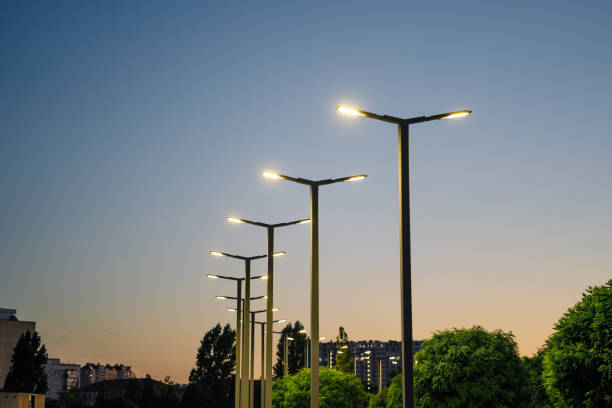
LED street light housing is the outer case or body that holds and protects all the important parts of an LED street light. Inside, there’s the LED bulb, wiring, power supply, and sometimes smart sensors. The housing keeps all of this safe.
Think of it like a phone case. Your phone works great, but without the case, one drop could break it. The same is true for LED street lights. Without strong housing, the LED parts could be damaged by rain, wind, sun, or even birds and insects.
Why Is LED Street Light Housing So Important?
LED lights are built to last a long time. But they can only do that if they are protected properly. That’s where LED street light housing comes in.
It keeps water, dust, dirt, and insects out. It also keeps people safe by covering electrical parts that should never be touched. Plus, it helps the light shine exactly where it’s needed—on roads, sidewalks, or open spaces.
Without proper housing, LED lights would fail more often, cost more to replace, and be dangerous in public places. So even though you don’t see it doing much, the housing is working hard every single night.
Most LED street light housings are made from strong, weather-resistant materials. The most popular one is aluminum. It’s lightweight, durable, and does not rust easily. Other materials include stainless steel and high-impact plastic, like polycarbonate. These are sometimes used in areas with lower traffic or where cost is a bigger concern.
Many housings are also powder-coated to prevent fading, corrosion, or damage from sunlight and pollution. This extra layer helps the housing stay in good condition for many years.
LED lights are very different from old-style lamps. So their housing is different too. Older lights used big, heavy lamps and had large, round housings. Today’s LED street light housing is usually flat, slim, and modern-looking. This design isn’t just for style—it helps with cooling and better light direction.
Some housings include built-in reflectors or lenses. These help the light spread evenly or point downward to reduce light pollution. The shape of the housing also controls where the light shines, making streets safer and brighter.
READ ALSO: How do LED street lights help cities save energy and reduce electricity costs?
How Housing Helps With Heat Control?
One challenge with LED lights is heat buildup. Even though LEDs are cooler than old lights, they still create some heat. If that heat isn’t managed, it can shorten the life of the LED.
That’s why most LED street light housings have heat sinks—ridges or fins on the back that help move heat away from the LED. These small details make a big difference in how long the light lasts and how well it performs.
Good housing doesn’t just protect from the outside. It also keeps the inside working smoothly by managing temperature.
1. Weather Protection You Can Trust
Street lights face all kinds of weather: rain, snow, dust, salt, sun, and strong winds. A good LED street light housing must protect the light in every season and climate.
That’s why housings are designed to be waterproof and dustproof. Many of them have a special rating called an IP rating (Ingress Protection):
- IP65 means the housing is sealed against dust and can resist heavy rain.
- IP66 offers more protection against stronger water jets.
- IP67 can handle being submerged in water for a short time.
The higher the rating, the better the protection. This is especially important in coastal areas, deserts, or places with heavy storms.
2. Strong, Safe, and Smart
Besides protecting the light, the housing also protects people. Damaged housing could expose wires or glass, which can be dangerous.
That’s why modern LED street light housings are built with impact-resistant covers. Some even use shatterproof glass to prevent injuries if something hits the light.
In high-traffic areas like schools, markets, or highways, stronger housings are often required by law. Some are even tested to stay in place during earthquakes or car crashes.
3. Designed to Match Every Street
LED street light housings are not just functional—they can also be stylish.
In old cities or tourist areas, you might see vintage-style housings with decorative arms or golden finishes. In modern towns, the lights may look clean, sharp, and high-tech.
Cities can customize their housings with different colors, shapes, logos, or finishes to match the area’s look and feel. A well-designed street light housing can help make a neighborhood look cleaner, safer, and more organized.
4. Easy Maintenance Saves Time and Money
One great thing about LED street lights is that they don’t need much maintenance. But over time, dust, dirt, or bird droppings can cover the housing and block the light.
Good LED street light housings are designed for easy access. Maintenance teams can open them quickly to clean the lens or replace the driver if needed. Some even have tool-less entry, making the job faster and safer.
Simple maintenance keeps the lights working well and helps avoid big repairs later.
5. Housing for Solar LED Street Lights
Solar-powered LED street lights are becoming more common in remote areas, eco-friendly cities, and developing regions. These systems have extra parts, including:
- An LED light
- A solar panel
- A battery
- A charge controller
The housing for solar lights must protect all of these components. It also has to handle extra heat from direct sunlight. That’s why solar LED street light housing often includes smart ventilation and even reflective materials to reduce overheating.
How to Choose the Right LED Street Housing?
If you’re planning a lighting project, picking the right LED street light housing is key. Here are a few things to consider:
- Location: Near the ocean? In a city? In a dusty or rainy place?
- Weather: Does it get hot, humid, snowy, or stormy?
- Use: Will the light go on a quiet street or a busy main road?
The right housing will last longer, need fewer repairs, and give better performance for your specific environment.
READ ALSO: Best LED Street Light Manufacturer: Discover the Future of Smart Outdoor Lighting
Q: How long does LED street light housing last?
The lifespan of LED street light housing can range from 10 to 20 years or even longer if it is made from high-quality materials and installed in the right environment. Factors like weather conditions, air pollution, and regular maintenance all play a role in how long the housing will last. Housing made from aluminum with a powder-coated finish usually lasts the longest, as it resists rust and wear from sun, rain, and dust.
Q: Is LED street light housing recyclable?
Yes, most LED street light housings are recyclable, especially if they are made from aluminum, which is 100% recyclable without losing quality. Many modern housings also use recyclable plastics, such as polycarbonate or ABS, which can be processed at specialized facilities. Recycling old or damaged housings not only reduces environmental impact but also helps cities follow eco-friendly and sustainable practices.
Q: What’s the best material for LED street light housing?
Aluminum is widely considered the best material for LED street light housing. It is lightweight, strong, corrosion-resistant, and very effective at releasing heat, which helps keep LED lights cool. In areas with extreme weather—like coastal cities where there’s salty air—marine-grade aluminum or stainless steel may offer better durability. While high-quality plastics can be used in some cases, they are usually reserved for low-impact environments or decorative lights.
How can I tell if a housing is waterproof?
The easiest way to check if an LED street light housing is waterproof is to look at its IP rating. IP stands for Ingress Protection, and it shows how well the housing can block out dust and water. For example:
- IP65 means it’s fully dust-tight and can handle water jets—good for regular outdoor use.
- IP66 provides extra protection against heavy rain and high-pressure cleaning.
- IP67 means the housing can survive being submerged in water for a short time, making it ideal for flood-prone or rainy areas.
Always choose a housing with an IP rating that matches your location’s climate and risk level.
Can LED street light housing be customized or painted?
Absolutely! Most LED street light housings are powder-coated, which not only protects the material but also allows for custom colors and finishes. Cities and towns often choose to match the housing with the style of the area—whether it’s historic, modern, or decorative. Many manufacturers also offer customization options like city logos, text engravings, or unique designs, helping create a more unified and attractive street look.
What should be done if the housing is damaged?
If the LED street light housing is cracked, bent, rusted, or loose, it should be repaired or replaced as soon as possible. A damaged housing may allow water or dirt to enter, which can damage the LED light or electrical parts inside. In some cases, broken housing can lead to light failure or even safety hazards like falling debris. That’s why regular inspections are important—they help detect problems early and keep the lights working safely and efficiently for the long term.
We often walk under street lights without thinking twice. But the truth is, LED street light housing plays a major role in lighting our cities safely, efficiently, and beautifully.
It protects the light, reduces maintenance costs, saves energy, and supports smart technology. Whether it’s lighting up a small town or a massive highway, the right housing makes all the difference.
So the next time you see a sleek street light glowing above you—know that there’s a hardworking housing making it all possible.