

LED street lights play a critical role in keeping cities safe, functional, and active after dark. From busy highways to small residential lanes, street lights ensure visibility for drivers, pedestrians, and cyclists. But while essential, traditional lighting systems like sodium or halide lamps consume massive amounts of electricity and demand constant maintenance.
For many municipalities, street lighting can account for up to 40% of total electricity costs, making it one of the largest line items in their utility bills.
This is where LED street light technology has become a game-changer. By using less power, lasting significantly longer, and providing better light quality, LED street lights have proven to be a reliable solution for reducing energy use and cutting costs. Cities across the globe—from Los Angeles to New Delhi—have already seen measurable results, saving millions in annual expenses while also reducing carbon emissions.
As urban populations grow and budgets tighten, the shift to LEDs isn’t just about modern technology; it’s about financial and environmental responsibility.
What Makes LED Street Lights Different?
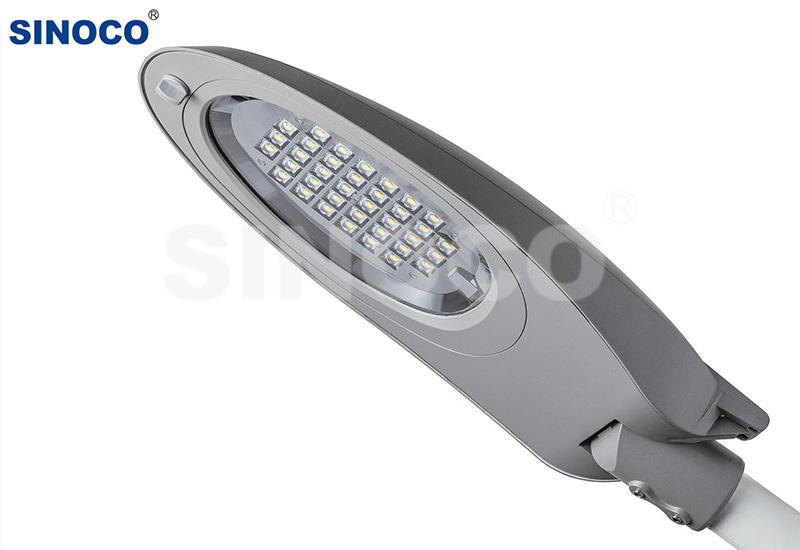
Street lights are the backbone of any urban infrastructure. They provide safety on roads, visibility in public spaces, and confidence for communities at night. For decades, cities have relied on conventional lights such as high-pressure sodium (HPS), mercury vapor, and metal halide lamps.
While these old technologies served their purpose, they came with major drawbacks: high energy consumption, short lifespans, and frequent maintenance.
LED street light technology has introduced a significant shift. By combining energy efficiency, durability, and advanced design, LEDs are not just another option—they are a superior replacement. But what exactly makes them so different? Let’s break this down in detail.
1. Energy Efficiency
One of the clearest differences between LED street lights and traditional lamps is energy efficiency.
- Conversion Rate: LEDs convert about 80–90% of electrical energy into light, while older lamps convert only 30–40%, wasting the rest as heat.
- Wattage Comparison: A 250-watt HPS lamp can be replaced by a 100-watt LED light while providing equal or better brightness. That’s a direct 60% reduction in energy use.
- Luminous Efficacy: LEDs achieve 120–150 lumens per watt, compared to sodium lamps that average 50–70 lumens per watt.
Quick Comparison Table
| Feature | LED Street Light | Sodium/Metal Halide Light |
|---|---|---|
| Luminous efficacy | 120–150 lm/W | 50–70 lm/W |
| Energy waste | <10% as heat | 50–60% as heat |
| Power required for same brightness | ~100W | 250–400W |
This efficiency is what allows cities to immediately cut electricity bills while maintaining or even improving light quality.
2. Longer Lifespan
Another major difference is how long LED street lights last.
- Operating Hours: LED lights typically last 50,000 to 100,000 hours, while sodium lamps burn out after 10,000–20,000 hours.
- Years of Use: At 12 hours per night, LEDs can work for 11–20 years before replacement, compared to 2–5 years for traditional bulbs.
- Maintenance Frequency: Fewer replacements mean reduced labor, fewer truck rolls, and lower operational budgets.
This durability is one of the most attractive features for municipalities since it directly reduces maintenance costs.
3. Lighting Quality
LED street lights provide better visibility and safer illumination:
- Color Rendering Index (CRI): LEDs have a CRI of 70–90, making objects and road markings appear more natural. Sodium lamps usually have a CRI of 20–30, making everything look dull and yellow.
- Uniform Lighting: LEDs provide directional light, reducing shadows and dark patches on the road.
- Glare Control: With advanced optics, LEDs minimize glare, which improves safety for drivers and pedestrians.
4. Directional Lighting
Unlike traditional lamps, which scatter light in all directions, LEDs are directional.
- Focused Beam: Light goes where it is needed—on roads, sidewalks, and crossings.
- Reduced Light Pollution: Less light spills into the sky or into people’s homes, improving night sky visibility and community comfort.
- Energy Savings: Since light is better targeted, fewer watts are needed to achieve the same visibility.
5. Smart Integration
LED street lights are future-ready because they can be easily integrated with smart technologies.
- Dimming Systems: Lights can automatically reduce brightness late at night when traffic is low.
- Sensors: Motion or occupancy sensors allow dynamic lighting—brightening when people or vehicles are nearby.
- Remote Monitoring: Cities can track lamp performance, detect failures instantly, and optimize energy use.
This adaptability makes LEDs a key part of smart city infrastructure.
6. Environmental Impact
LEDs also make a difference in terms of environmental responsibility.
- Carbon Reduction: Lower energy use means fewer carbon emissions. For every 1,000 kWh saved, about 700–900 kg of CO₂ is avoided.
- Less Toxic Material: Unlike mercury vapor lamps, LEDs don’t contain hazardous mercury.
- Light Pollution Control: LEDs can be designed at warmer color temperatures (2700K–3000K) to reduce skyglow.
7. Cost Over the Lifetime
Initial cost for LEDs is higher, but the total cost of ownership is far lower.
- Upfront Price: LED street lights cost $150–$400 per unit.
- Lifetime Savings: Energy and maintenance savings outweigh the purchase cost.
- Payback Period: Most cities see a return on investment in 3–5 years.
More Here: Top LED Street Light Supplier | High-Quality Lighting Solutions by Sinoco
Cost Breakdown Table
| Expense Category | Traditional Lights | LED Street Lights |
|---|---|---|
| Purchase Price | Low ($50–$150) | Higher ($150–$400) |
| Energy Cost | High (over 10–15 yrs) | 50–70% lower |
| Maintenance | Frequent replacements | Minimal replacements |
| Lifetime Cost | Very high | Much lower overall |
8. Safety Benefits
Good lighting improves both traffic and community safety.
- Road Safety: LED street lights improve driver visibility, reducing accidents.
- Pedestrian Safety: Crosswalks and sidewalks are clearer with whiter light.
- Crime Reduction: Studies show better-lit areas discourage crime and increase public confidence.
9. Flexibility in Design
LED street lights come in varied designs and wattages to suit different environments.
- Highways: High-powered LEDs (150–300W) ensure wide road coverage.
- Residential Areas: Lower wattage (30–70W) ensures comfort without glare.
- Parks and Walkways: Decorative LED fixtures provide both function and aesthetics.
This flexibility allows municipalities to customize lighting instead of using a one-size-fits-all approach.
10. Reliability and Performance
- Instant On/Off: Unlike sodium lamps that take minutes to warm up, LEDs light instantly.
- Weather Resistance: LED street lights are designed with IP65 or higher ratings, making them dustproof and waterproof.
- Shock and Vibration Resistant: Solid-state design means no fragile filaments or glass that break easily.
This reliability ensures consistent performance in harsh urban conditions.
Ready to Switch to Smarter Lighting?
If you’ve made it this far, you already know the difference LED street lights can make. They cut energy use by more than half, last for years without constant maintenance, and deliver better, safer lighting for streets and communities. Every night you delay the switch, your city or business keeps paying more on electricity and upkeep.
Now is the time to act. Upgrading to LED street lights isn’t just about new fixtures—it’s about long-term savings, reliable performance, and sustainable growth.
Explore our range of high-quality LED street lights designed for cities, industries, and businesses that want the best value. Make the smart move today and start saving from the very first night.
Q1. Why are LED street lights more efficient than sodium lamps?
LED street lights are designed to convert most of the electricity they consume into visible light rather than heat. On average, they achieve 120–150 lumens per watt, while sodium lamps only deliver 50–70 lumens per watt. This means a 100W LED can produce the same brightness as a 250W sodium lamp, cutting energy use by more than half. In addition, LEDs are directional, focusing light exactly where it’s needed (roads, sidewalks, crossings) instead of wasting it in all directions like sodium lamps. This targeted efficiency makes LEDs a much smarter choice for cities that want to lower electricity bills.
Q2. Do LED street lights really last 10 years or more?
Yes, and in many cases even longer. The typical lifespan of LED street lights is 50,000–100,000 hours. If used 12 hours per night, that translates to about 11–20 years of operation. By comparison, sodium or metal halide lamps usually last just 2–5 years. Longer lifespan also means fewer replacements, lower maintenance costs, and less disruption in busy areas. Even after 10 years, most LEDs still retain around 70–80% of their brightness, making them reliable for long-term use.
Q3. Are LED street lights harmful to health?
LED street lights are safe when used with the right design and color temperature. Modern LEDs are available in 2700K–4000K (warm to neutral white), which reduces blue light emission and glare. Unlike older lighting technologies, LEDs don’t contain toxic elements like mercury, making them safer for both people and the environment. In fact, studies show that better lighting quality from LEDs improves nighttime visibility, reduces accidents, and increases the feeling of safety in communities. The key is for cities to choose standards-compliant LEDs that meet international lighting guidelines.
Q4. What about the upfront cost of LEDs?
LED street lights indeed cost more initially—around $150–$400 per unit depending on wattage and features. But this higher upfront cost is balanced by significant long-term savings. Because LEDs consume 50–70% less energy and last 3–5 times longer than sodium lamps, cities save on both electricity bills and maintenance expenses. The typical payback period is 3–5 years, after which the lights continue to generate savings for another decade or more. In short, LEDs are not an expense they’re an investment with guaranteed returns.
Q5. Can LED street lights be used in rural areas?
Absolutely. In fact, LEDs are often the best solution for rural and remote areas. Their low power requirements make them ideal for places where electricity supply may be limited. Many rural communities also combine LED street lights with solar panels, creating an off-grid system that requires little ongoing cost. Since LEDs have a long lifespan and require minimal maintenance, they reduce the need for frequent repairs—something especially useful in areas with fewer resources for upkeep. This makes them cost-effective and sustainable for both large cities and small towns.
Conclusion
LED street light technology stands out as a transformative solution for modern cities and towns. Unlike traditional sodium or halide lamps, LEDs offer higher energy efficiency, longer lifespans, and better light quality. This means fewer replacements, reduced maintenance, and significant cuts in electricity bills—often by 50–70%. Beyond the cost savings, LED street lights also deliver practical benefits: safer roads, clearer visibility, and reduced carbon emissions, all while lowering light pollution through directional illumination.
For municipalities, the switch to LED is not just about upgrading lighting—it’s about making a long-term investment in sustainability and financial stability. While the initial purchase price may seem higher, the 3–5 year payback period and continued savings for over a decade make the decision clear. Communities of all sizes, from global megacities to rural villages, can benefit from these advancements.
In short, LED street lights are different because they combine technology, efficiency, and reliability in one package. They save money, conserve energy, and create safer, smarter, and more sustainable cities for the future