

As equine care evolves, horse owners and veterinarians are turning to horse red light therapy—a groundbreaking, non-invasive treatment that harnesses light to heal injuries, reduce pain, and optimize performance. Whether your horse is a competitive athlete, a beloved companion, or recovering from surgery, this therapy offers a science-backed solution for holistic health.
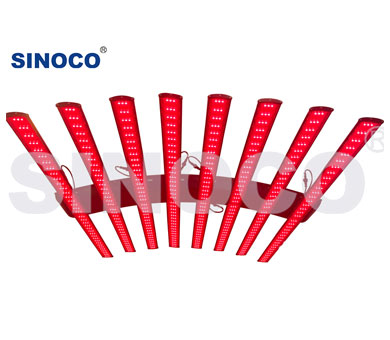
Horse Red Light Therapy: Unlocking the Future of Equine Wellness
In this guide, you’ll learn how red light works, its transformative benefits, and how to integrate it into your horse’s care routine. Let’s dive in!
What Is Horse Red Light Therapy?
Horse red light therapy (also called photobiomodulation or low-level laser therapy) uses specific wavelengths of red (630–660 nm) and near-infrared (810–850 nm) light to stimulate cellular repair and reduce inflammation. Unlike harsh medications or invasive procedures, this therapy is gentle, drug-free, and safe for horses of all ages—from foals to senior equines510.
The Science Behind the Light
At the cellular level, red and near-infrared light penetrate the skin and are absorbed by mitochondria—the “powerhouses” of cells. This triggers a surge in adenosine triphosphate (ATP) production, fueling cellular regeneration, collagen synthesis, and reduced oxidative stress28. Key effects include:
- Accelerated wound healing through increased blood flow and collagen formation411.
- Pain relief via endorphin release and anti-inflammatory pathways69.
- Enhanced muscle recovery by reducing post-exercise soreness and stiffness7.
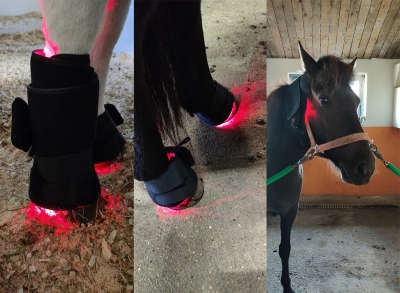
Top 5 Benefits of Horse Red Light Therapy
1. Pain Management & Inflammation Reduction
Horses with arthritis, laminitis, or muscle strains experience significant relief with red light therapy. The light reduces pro-inflammatory cytokines and boosts circulation, easing joint stiffness and chronic pain39.
Ideal for:
- Osteoarthritis
- Back pain
- Post-surgical discomfort
2. Accelerated Wound & Injury Healing
Red light therapy cuts recovery time for cuts, abrasions, and surgical incisions by up to 50%411. It also minimizes scarring by promoting organized tissue repair.
Case Study: A 2024 trial on equine leg wounds showed full healing in 80 days with daily red light sessions, compared to delayed recovery in untreated horses11.
3. Improved Joint & Tendon Health
Near-infrared light penetrates deep into tendons and ligaments, making it ideal for conditions like tendonitis or suspensory ligament injuries. Regular use strengthens connective tissues and reduces re-injury risk910.
4. Enhanced Athletic Performance
Competitive horses benefit from pre- and post-event sessions. Red light loosens muscles pre-competition and speeds recovery afterward by flushing lactic acid and reducing inflammation711.
5. Stress Reduction & Emotional Well-Being
The calming warmth of red light therapy lowers cortisol levels, helping anxious horses relax during travel, training, or vet visits510.
How to Use Red Light Therapy for Horses: A Step-by-Step Guide
1. Choose the Right Device
- Power & Wavelength: Opt for panels with 600–850 nm wavelengths and high power output (e.g., PlatinumLED 900 Series) to penetrate thick hides911.
- Durability: Select equine-specific devices like the Activo-Med Laser Cluster or Photizo Equine Pro for stable-friendly durability49.
2. Prepare Your Horse
- Groom the treatment area to remove dirt or debris.
- Calm your horse with treats or gentle brushing.
3. Apply the Light
- Distance: Hold the device 6–12 inches from the skin6.
- Duration: 10–20 minutes per area, 1–2 times daily10.
- Technique: Use circular motions over injuries or focus on joints/muscles.
4. Track Progress
Monitor improvements in mobility, wound closure, or behavior. Chronic conditions may require 4–6 weeks of consistent sessions7.
Safety & Best Practices
What to Avoid
- Contraindications: Never use red light over tumors, eyes, or open bleeding wounds310.
- Overuse: Limit sessions to 30 minutes to prevent skin irritation7.
Complementary Therapies
Pair red light with:
- Chiropractic care for back pain (e.g., combined therapy reduced stiffness in 61 horses11).
- PEMF mats to enhance circulation4.
Frequently Asked Questions
Q: Can I use a human red light device on my horse?
A: Yes, but equine-specific devices are stronger and cover larger areas. For example, the Photizo Equine Pro delivers deeper penetration911.
Q: How soon will I see results?
A: Acute injuries may improve in 3–5 sessions. Chronic issues like arthritis require 2–4 weeks67.
Q: Is red light therapy safe for pregnant mares?
A: Avoid abdominal areas. Consult your vet for tailored advice10.
Q: Can it replace traditional vet care?
A: No—use it alongside medications, surgery, or physiotherapy for best results36.
Conclusion: Illuminate Your Horse’s Health Today
Horse red light therapy isn’t just a trend—it’s a proven tool for enhancing longevity, performance, and quality of life. From accelerating wound healing to soothing arthritic joints, this therapy empowers horse owners to take control of their equine partners’ well-being.