

In modern urban planning, LED roadway light solutions have revolutionized street lighting by offering energy efficiency, longevity, and superior illumination. These lights improve road safety, reduce energy costs, and support sustainability efforts worldwide.
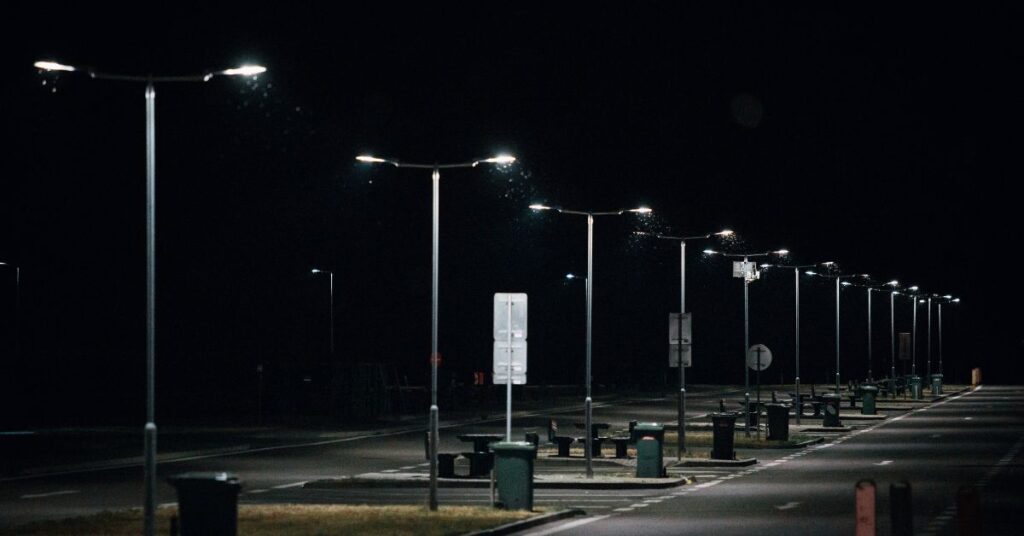
LED Roadway Light: The Ultimate Guide
This comprehensive guide will explore roadway lights, their benefits, key features, applications, and best buying practices to help you make an informed decision. For more information, visit here.
Table of Contents
- What is an LED Roadway Light?
- Benefits of LED Roadway Lighting
- Key Features to Consider
- Comparison Table: LED vs. Traditional Street Lights
- Applications of LED Roadway Lights
- How to Choose the Best LED Roadway Light
- Cost and ROI Analysis
- FAQs
- Conclusion
1. What is an LED Roadway Light?
An roadway light is a type of streetlight that uses light-emitting diodes (LEDs) as a light source instead of traditional high-pressure sodium (HPS) or metal halide lamps. These lights offer enhanced visibility, consume less energy, and have a longer lifespan.
2. Benefits of LED Roadway Lighting
Energy Efficiency
LED roadway lights consume up to 70% less energy than traditional streetlights, significantly reducing electricity bills.
Superior Illumination
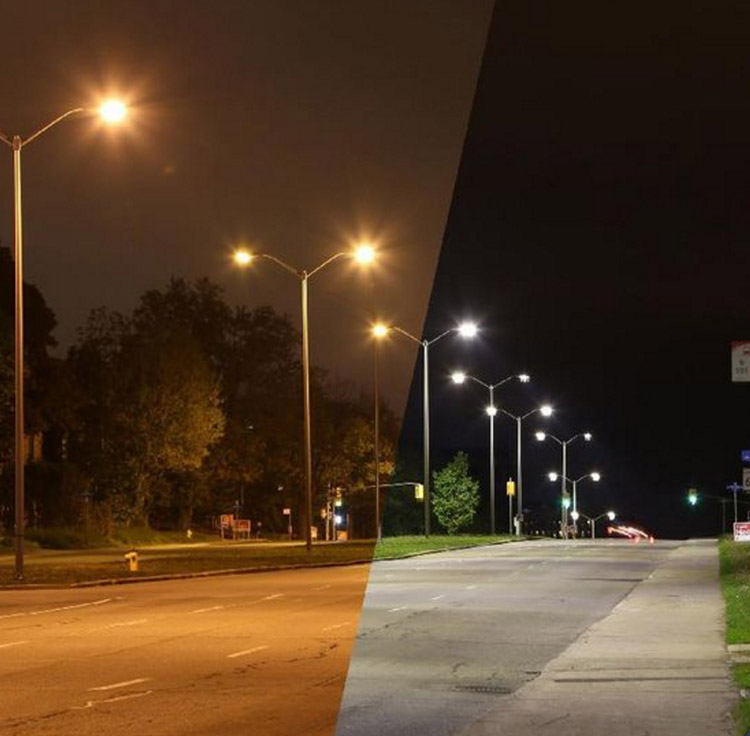
They provide bright, uniform lighting with higher color rendering, improving visibility and road safety.
Long Lifespan
With a lifespan of 50,000 to 100,000 hours, LED streetlights require minimal maintenance.
Eco-Friendly
LEDs produce less CO₂ emissions and contain no hazardous materials like mercury, making them environmentally friendly.
Cost-Effective
Although initial costs are higher, lower energy consumption and maintenance costs lead to significant long-term savings.
3. Key Features to Consider
When choosing an LED roadway light, consider the following factors:
- Wattage & Lumen Output – Higher lumens ensure better illumination.
- Color Temperature – Ranges from 3000K (warm) to 6500K (cool white).
- IP Rating – Ensure IP65 or higher for weather resistance.
- Dimming & Smart Controls – Adaptive lighting can further save energy.
- Certifications – Look for UL, DLC, and CE certified products.
4. Comparison Table: LED vs. Traditional Street Lights
| Feature | LED Roadway Light | High-Pressure Sodium (HPS) |
|---|---|---|
| Energy Efficiency | High (70% less consumption) | Low |
| Lifespan | 50,000+ hours | 10,000–20,000 hours |
| Color Rendering | Excellent (80+ CRI) | Poor (20–30 CRI) |
| Maintenance Cost | Low | High |
| Eco-Friendly | Yes | No (contains mercury) |
5. Applications of LED Roadway Lights
- Highways & Expressways – Improves nighttime visibility for safer driving.
Urban Streets & Residential Areas – Reduces crime rates and enhances safety.
Bridges & Tunnels – Ensures continuous, uniform lighting.
Parking Lots & Public Spaces – Provides better illumination with lower costs.
6. How to Choose the Best LED Roadway Light
- Assess the lighting needs – Consider pole height, road width, and traffic flow.
- Compare lumen output – Higher lumens provide better brightness.
- Check the IP rating – Essential for outdoor durability.
- Look for smart control features – Adaptive dimming can increase efficiency.
- Ensure warranty & certification – Reliable products have 5+ years warranty.
7. Cost and ROI Analysis
Investing in roadway light solutions results in substantial savings over time. A quick ROI calculation:
- Initial LED installation cost: $500 per unit
- Annual energy savings: $100 per unit
- Maintenance savings: $50 per unit per year
- ROI within 3–5 years due to energy and maintenance savings.
8. FAQs
How long do LED-roadway lights last?
LED-roadway lights typically last 50,000 to 100,000 hours, significantly longer than traditional streetlights.
Are LED-roadway lights weatherproof?
Yes, high-quality LED streetlights come with an IP65+ rating, making them resistant to dust, rain, and extreme temperatures.
Do LED roadway lights require a ballast?
No, unlike HPS or metal halide lamps, LEDs operate without a ballast, reducing maintenance costs.
Can LED roadway lights be dimmed?
Yes, many smart LED streetlights feature dimming controls for energy efficiency.
How much energy do LED-roadway lights save?
LED streetlights consume 70% less energy, leading to substantial electricity bill saving
Summary
Switching to LED roadway lights is a game-changer for urban lighting, offering energy efficiency, long lifespan, and superior visibility. Whether upgrading existing streetlights or installing new ones, LED technology is the future of roadway illumination.