

Indoor gardening has exploded in popularity, but one challenge remains: providing plants with the light they need to thrive. Enter LED grow light plants—a game-changer for hobbyists and commercial growers alike. These energy-efficient, customizable solutions mimic natural sunlight, ensuring your plants flourish year-round.
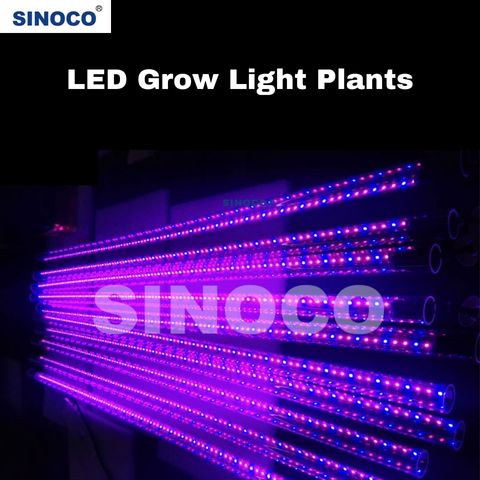
LED Grow Light Plants: Boost Growth and Yield
In this guide, we’ll explore how LED grow lights work, their benefits, top-rated models like the LED Grow Light – pollo G600 Grow Light and LED Grow Light – TC-T8A, and expert tips to maximize your harvests. For more information, visit here.
Why LED Grow Lights Are Essential for Indoor Plants
Gone are the days of relying solely on sunlight or bulky, inefficient lighting systems. Modern full-spectrum LED Grow Light Plants offer precision, efficiency, and versatility, making them indispensable for indoor gardens.
Key Benefits of LED Grow Lights
- Energy Efficiency: LEDs consume up to 60% less energy than traditional HID lights, slashing electricity bills.
- Customizable Spectrums: Tailor light wavelengths to specific growth stages (e.g., blue for vegetative growth, red for flowering).
- Low Heat Output: Prevent plant burn and reduce the need for complex cooling systems.
- Long Lifespan: High-quality LEDs last 50,000+ hours, minimizing replacements.
- Eco-Friendly: No toxic chemicals like mercury, unlike fluorescent bulbs.
How LED Grow Lights Work: The Science Behind Plant Growth
Understanding the science of LED grow lights for plants helps optimize their use. Plants rely on photosynthesis, which converts light into energy. Chlorophyll, the pigment responsible for this process, absorbs specific wavelengths:
- Blue Light (400–500nm): Promotes vegetative growth, strong stems, and lush foliage.
- Red Light (600–700nm): Enhances flowering, fruiting, and root development.
- Far-Red/UV/IR: Some advanced LEDs include these wavelengths to mimic natural sunlight and improve resilience.
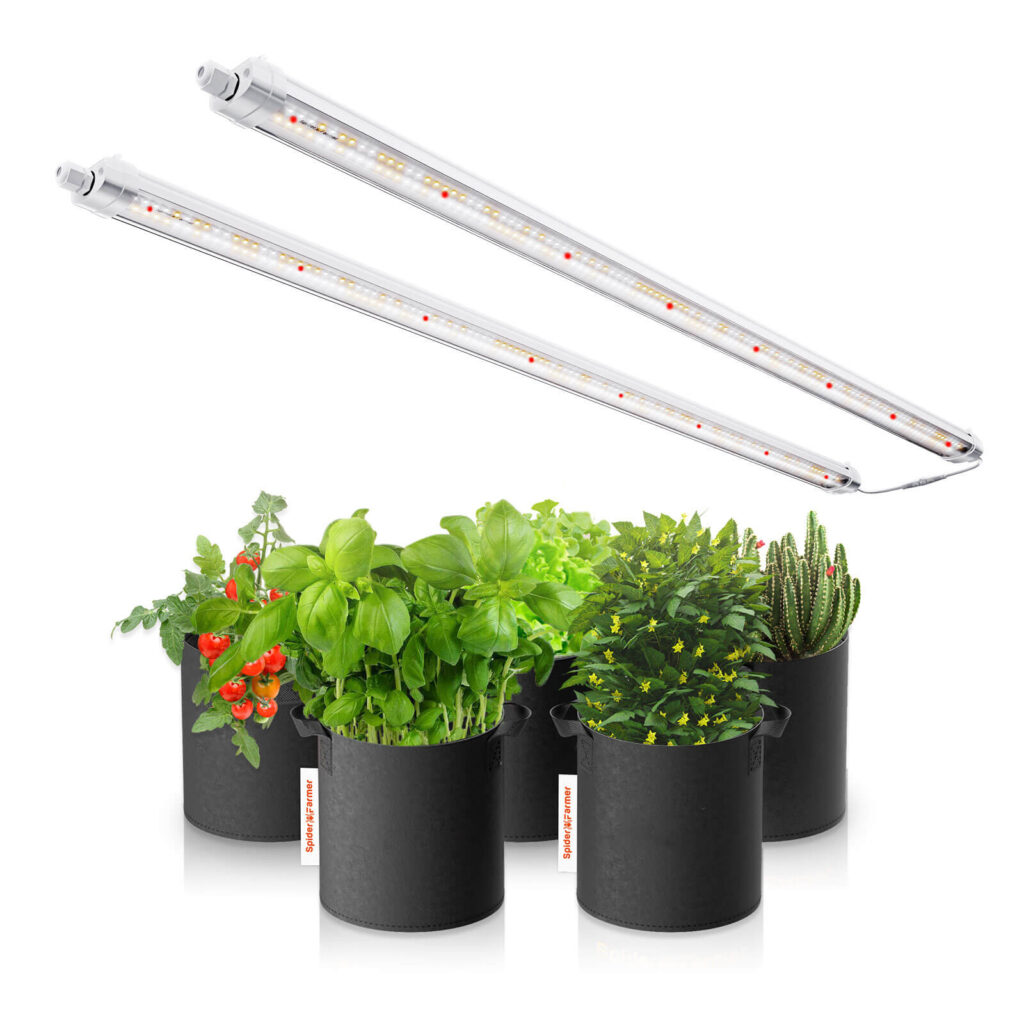
Full-spectrum LED grow lights combine these wavelengths, making them ideal for all growth phases.
Not all LED grow lights for plants are created equal. Here’s what to prioritize when selecting the right model:
1. Full-Spectrum Lighting
Plants need different light wavelengths throughout their lifecycle. Look for full-spectrum LED grow lights that emulate natural sunlight, supporting photosynthesis from seedling to harvest.
2. PAR Output and Coverage
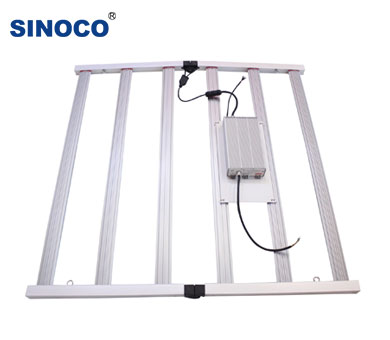
Photosynthetically Active Radiation (PAR) measures usable light for plants. Ensure your light’s PAR output and coverage area match your garden’s size. For example, the Apollo G600 Grow Light covers 4×4 feet, ideal for medium-sized setups.
3. Energy Efficiency and Wattage
Higher wattage doesn’t always mean better performance. Balance power with efficiency—the TC-T8A LED Grow Light uses 600W but delivers output comparable to 1000W HPS lights.
4. Durability and Cooling Systems
Opt for models with robust heat dissipation, like aluminum heat sinks or quiet fans, to extend lifespan.
Top LED grow light plants for Optimal Plant Growth
1. Apollo G600 Grow Light
The Apollo G600 is a favorite among indoor growers for its:
- Full-spectrum design with enhanced red/blue diodes for all growth stages.
- High PAR output (2.5 µmol/J) ensures deep canopy penetration.
- Daisy-chain capability for expanding your setup effortlessly.
Ideal for herbs, vegetables, and flowering plants, this light maximizes yield while cutting energy costs.
2. LED Grow Light – TC-T8A
The TC-T8A stands out with:
- Adjustable spectrums via separate veg and bloom switches.
- Samsung LM301B diodes for top-tier efficiency and brightness.
- Waterproof design, perfect for humid environments like hydroponic systems.
Maximizing Plant Growth with LED Lights: Pro Tips
Match Light Spectrum to Growth Stages
- Vegetative Stage: Use blue-dominant light (400-500nm) to encourage leafy growth.
- Flowering Stage: Switch to red light (600-700nm) to boost blooms and fruit.
Optimize Light Cycles
- Seedlings: 16-18 hours of light daily.
- Flowering Plants: 12 hours of light to simulate autumn conditions.
Adjust Height for Intensity
Keep lights 12-24 inches above plants to prevent light burn. The Apollo G600’s dimming feature allows precise control.
Common Mistakes to Avoid with LED Grow Lights
- Overlighting: Too much intensity stresses plants. Use a lux meter to measure.
- Ignoring Spectrum Needs: Don’t use veg-mode during flowering!
- Poor Coverage: Ensure even light distribution to avoid “hot spots.”
FAQs About LED Grow Lights for Plants
Q: Can LED grow lights replace sunlight entirely?
A: Yes! High-quality LEDs like the TC-T8A provide all wavelengths plants need.
Q: How long should I run LED grow lights daily?
A: Depends on the plant type—most thrive with 12-16 hours.
Q: Are LED grow lights safe for all plants?
A: Absolutely. Adjust spectrum and intensity based on species (e.g., succulents vs. tomatoes).
Ready to Transform Your Indoor Garden?
LED grow lights for plants are no longer a luxury—they’re a necessity for serious growers. Whether you’re nurturing herbs on a windowsill or managing a commercial greenhouse, models like the Apollo G600 and TC-T8A deliver unmatched results.