

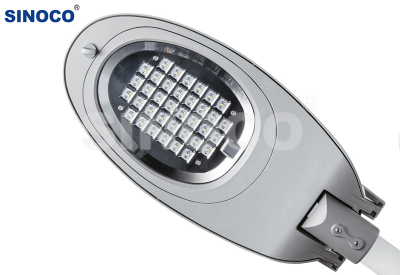
Upgrading to LED highway light systems has become essential for modern infrastructure. They offer superior brightness, energy efficiency, and durability compared to traditional lighting solutions. In this in-depth guide, we’ll walk you through the entire process of installing LED highway lights, from planning to maintenance, ensuring you get maximum benefits and safety.
Why Choose LED Highway Lights?
Energy Efficiency and Cost Savings
LED highway lights consume significantly less energy than their traditional counterparts. This results in lower electricity bills and reduced greenhouse gas emissions.
- LED lights use 40% to 60% less energy
- Long lifespan reduces replacement frequency
- Lower maintenance and operation costs
Enhanced Visibility and Safety
LED lighting offers better light distribution and color rendering, improving nighttime visibility and driver reaction times.
- Bright, uniform lighting eliminates dark spots
- Improves pedestrian and driver safety
- Reduces accident risks
Durability and Environmental Benefits
LED highway lights are built to withstand harsh weather conditions and last up to 100,000 hours.
- Resistant to vibration, dust, and moisture
- Eco-friendly with no toxic components
- Fully recyclable at end of life
Tools and Materials Needed
Before installation begins, gather the following tools and materials:
- LED highway light fixtures
- Mounting brackets and poles
- Electrical wiring and connectors
- Circuit breakers and safety switches
- Grounding equipment
- Insulated gloves and safety gear
- A bucket truck or lift platform
Pre-Installation Planning
Conduct a Site Assessment
Begin by inspecting the installation area. Consider:
- Traffic volume and road type
- Distance between poles
- Power source availability
- Local regulations and permits
Layout and Design
Create a lighting design plan that specifies:
- Pole placement and height
- Light fixture angles and spacing
- Wiring routes
- Backup power integration (if necessary)
Safety Checks
Ensure all workers are trained and equipped with safety gear. Confirm:
- Proper PPE is used
- A hazard-free installation area
- Tools and machinery are in good condition
Step-by-Step Installation Process
Step 1 – Pole and Bracket Installation
Begin with the installation of light poles and mounting brackets:
- Dig foundation holes for the poles
- Insert poles and secure with concrete
- Attach mounting brackets once the foundation cures
Step 2 – Electrical Wiring
Wiring is a critical step. Follow these steps:
- Switch off the main power source
- Lay underground cables or overhead wiring as per the plan
- Use waterproof connectors and junction boxes
- Connect the cables to a control box or power source
Step 3 – Mounting the LED Highway Light Fixtures
- Carefully mount the LED lights to the brackets
- Adjust angles to ensure optimal coverage
- Secure all screws and test for stability
Step 4 – Electrical Connection
- Connect the LED lights to the wiring system
- Use circuit breakers and surge protectors
- Ensure grounding is done properly
- Double-check connections and insulation
Step 5 – Power On and Testing
- Turn on the main power
- Test each LED highway light individually
- Check for flickering or dim areas
- Adjust beam angles as needed
Post-Installation Tips
Maintenance Schedule
Set up a routine maintenance plan:
- Inspect lights every 6 months
- Clean lens covers to ensure clarity
- Replace faulty units promptly
Troubleshooting Common Issues
- Flickering lights: Check for loose wiring or voltage inconsistency
- Dim output: Inspect for dirt accumulation or aging components
- Outages: Confirm circuit breaker status and examine cable connections
Cost Considerations and ROI
Initial Investment
LED highway lights require upfront investment:
- LED fixtures: $150 – $500 each
- Poles and mounting hardware: $100 – $300
- Installation labor: Varies by region
Return on Investment
Savings from reduced energy consumption and lower maintenance lead to fast ROI:
- Payback period: 2 to 5 years
- Long-term savings: Up to 60% on lighting costs
Compliance and Environmental Impact
Meeting Standards
Ensure installation meets:
- Local government codes
- ANSI/IES lighting guidelines
- Road safety requirements
Eco-Friendly Lighting
LEDs reduce light pollution and carbon footprint:
- Lower CO2 emissions
- No harmful UV radiation
- Full recyclability
Future of LED Highway Lighting
With the rise of smart city technology, LED highway lights are evolving.
Smart Lighting Integration
- Automated brightness control based on traffic
- Motion sensors and solar options
- Real-time monitoring through IoT
Sustainability and Innovation
- Use of recycled materials in construction
- Energy harvesting via solar panels
- Adaptive lighting that responds to weather conditions
Final Thoughts on Installing LED Highway Lights
Installing LED highway light systems is a strategic decision that enhances safety, saves costs, and supports environmental goals. With proper planning and execution, you can transform any roadway into a safer, more energy-efficient space.