

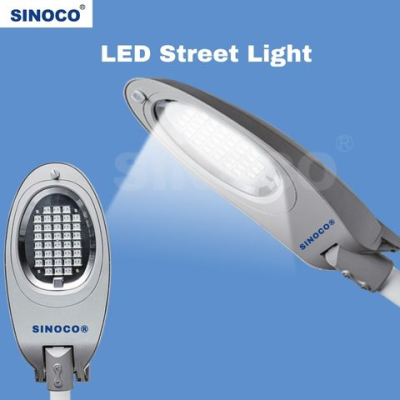
Buying LED street light wholesale can be a smart move for cities, businesses, and contractors looking to cut long-term lighting costs. But choosing the right product isn’t as simple as finding the lowest price. There are many factors that affect the total value of your purchase—like lifespan, energy use, quality of materials, and even the supplier’s reputation.
If you’re managing a street lighting project or replacing outdated lights, going for bulk LED options can save you money and reduce maintenance. However, not all LED lights are created equal, and skipping the small details can lead to poor performance or unexpected costs down the road.
It’s important to look beyond the price tag and understand what you’re really getting. From understanding technical specs like wattage and lumens to knowing how certifications and warranty terms protect your investment, you’ll need a clear picture before placing any order.
LED Street Light Wholesale: What to Consider When Comparing Prices
In this guide, we will explain everything you need to compare LED street light wholesale prices the smart way.
1. Understand What You’re Buying
Before you decide on a wholesale LED street light supplier, make sure you understand the specifications and components of the product. Check the wattage to ensure the brightness fits the location. Higher wattage means more lumens, which means a brighter light. Choose based on the street width and application. Also, pay attention to color temperature—measured in Kelvin. Street lights commonly range from 4000K (neutral white) to 6000K (cool white), which is better for visibility.
Check the IP rating as well. Outdoor lights must have at least IP65 to resist water and dust. Beam angle is another key factor. A narrow beam is good for highways, while a wide beam suits urban roads.
When ordering in bulk, you must also ensure the lights come with strong aluminum housings and LED chips from known brands. Branded chips ensure consistency in performance and durability. A lifespan of 50,000 hours or more is ideal.
2. Quality Over Price
It’s tempting to go with the cheapest option, but the lowest price doesn’t always give you the best value. Look into the build quality and components. High-quality LED lights use chips from manufacturers like Philips, Osram, or Cree. They provide stable light output and better heat resistance.
Pay attention to the driver. A quality driver (such as Mean Well or Inventronics) ensures power stability and long-term performance. A poor-quality driver may fail early, causing additional replacement costs. Also, inspect the heat sink material. Aluminum helps dissipate heat and extends the LED’s life.
When comparing quotes, ask about internal parts, housing materials, and driver brands. These determine the real value of the product.
3. Total Cost of Ownership (TCO)
Buying in bulk means big investment, and you need to understand the full cost beyond the initial price. Total Cost of Ownership (TCO) includes:
- Initial purchase price
- Energy consumption
- Maintenance and repairs
- Replacement parts
- Installation expenses
For example:
| Light Type | Unit Cost | Power (W) | Energy Cost/Year | Lifespan | TCO Over 5 Years |
|---|---|---|---|---|---|
| Low-Quality | $40 | 100W | $20 | 2 Years | $140 (with replacement) |
| High-Quality | $60 | 100W | $12 | 5+ Years | $120 (no replacement) |
Even if the high-quality light costs more at first, it becomes cheaper over time. Focus on long-term savings, not just upfront price.
4. MOQ and Bulk Discount
MOQ means Minimum Order Quantity. It matters when you’re planning a large project. Suppliers usually provide tiered pricing based on order volume.
Ask for price breakdowns at different quantities. A small increase in order size can reduce unit cost significantly. For example:
- 50 units = $50 each
- 200 units = $43 each
- 500 units = $39 each
That’s an $11 difference per unit, which adds up in big orders. Always negotiate on bulk pricing and check if the supplier offers free samples or combo packages (lights + brackets).
5. Certifications and Safety Standards
Safety standards ensure the product meets quality and regional regulations. Look for certifications like:
- CE and RoHS for European markets
- UL, DLC, and ETL for North America
- ISO 9001 and ISO 14001 for factory quality and environmental standards
These certifications prove that the lights are tested for safety, performance, and environmental impact. Some public tenders require these certifications. If your supplier lacks them, your bid may get rejected.
6. Warranty and After-Sales Support
When buying LED street light wholesale, always check the warranty. This is your backup if something goes wrong. Most good suppliers offer a 3 to 5-year warranty, and some even go beyond that. The warranty should cover LED chip failure, driver failure, housing cracks, and other manufacturing defects.
Let’s say you bought 500 LED lights from a supplier. If 20 of them stop working in the first year, a strong warranty means they’ll replace or repair them without extra cost. But if there’s no clear warranty, you’ll end up paying again. That’s not good business.
Sinocoled, a trusted supplier in China, offers a 5-year warranty on its LED street light models. Their policy includes free replacements for defective units within the warranty period. This gives buyers peace of mind and confidence to place large orders.
Checklist for warranty review:
- Length of coverage (minimum 3 years)
- What’s covered and excluded
- Who pays for shipping replacements
- Response time for claims
Also, ask if they have a service team or local repair partner. After-sales support can save you a lot of stress in the long run.
7. Lead Time and Shipping Costs
Lead time refers to how long it takes from order to delivery. For wholesale LED street lights, timing is critical—especially if you’re working on a deadline. Most reliable suppliers offer a production time of 10 to 25 days for bulk orders.
Then, you need to add the shipping time. There are two common options:
- Sea freight: Cheaper but slower (25 to 45 days)
- Air freight: Faster but expensive (5 to 10 days)
Sinocoled offers both. For bulk orders, they suggest sea freight to reduce cost. Their team also handles CIF (Cost, Insurance, and Freight) shipping terms, which makes the process easier for international clients.
Shipping checklist:
- Confirm production and dispatch time
- Ask for FOB vs. CIF quote
- Add customs clearance time in your country
- Get all shipping charges in writing
Including these in your pricing review gives you a full picture of the cost.
8. Supplier Reputation
Choosing the right supplier is just as important as choosing the right product. A company might offer a low price, but if they miss deadlines or deliver poor-quality goods, your project suffers.
To check supplier reputation:
- Visit their website
- Check third-party reviews (like Alibaba, Made-in-China, Google)
- Ask for references or past project samples
- Request certifications and business licenses
Sinocoled has been in the LED lighting business for over 10 years. They’ve supplied to over 3,000 projects across Asia, Europe, and Africa. Cities like Lahore, Nairobi, and Bangkok have used their street lights in public infrastructure projects. Their consistent delivery and strong customer service build long-term client relationships.
Warning signs to avoid:
- Vague answers about specs
- No factory address or photos
- No past customer references
Choosing a reputable supplier keeps your investment safe.
9. Ask for Test Reports and Specs
Before you finalize an order, always ask for technical reports. These show how the LED street light performs in real use. Real suppliers can provide:
- IES files – Shows light distribution on roads
- LM-79 report – Measures total light output
- LM-80 report – Measures how the LED holds brightness over time
- Datasheet – Includes wattage, beam angle, input voltage, and color temperature
Sinocoled provides complete test reports and data sheets for every product. Their 100W LED street light, for example, has an LM-79 result of 12,000 lumens and a beam angle of 120°, ideal for highways and city streets.
You can also share these specs with your engineers for design or tender submissions. This helps avoid surprises during installation.
10. Installation Requirements
Not all LED street lights are plug-and-play. Some require extra parts like brackets, special screws, or adapter plates. If you skip this step, you might spend more during setup.
Key things to check:
- Is a mounting bracket included?
- What is the pole size compatibility?
- Does it need an external driver box?
- Are extra wires or surge protectors needed?
Sinocoled’s models are built for standard 60mm pole mounts and come with adjustable brackets included in the box. This makes them easy to install and reduces extra costs.
Example cost impact: If a bracket costs $5 and you order 300 lights without it, that’s an extra $1,500 in your budget. Knowing all installation needs upfront saves time, money, and stress.
Real-Life Case Study: Sinocoled Project in Kenya
In 2023, the city of Kisumu, Kenya, partnered with Sinocoled for a 1,000-unit LED street light project. The project team compared five different suppliers based on unit price, lifespan, certifications, and delivery terms.
Why Sinocoled was chosen:
- Provided 100W models at $42/unit
- 5-year full warranty
- Included brackets, drivers, and pre-wired cables
- CE, RoHS, and IP66 rated
- Delivered within 40 days via sea freight
Result: The city saved 65% on energy bills in the first 6 months. Light quality improved, and there were zero failures reported in the first year.
This shows how checking quality, specs, and service pays off even if the unit cost is slightly higher than the cheapest option.
FAQs
Q1: What is the lifespan of a quality LED street light?
A good LED street light lasts 50,000–100,000 hours, which equals 10–20 years with daily use.
Q2: Is there a difference between waterproof and weatherproof LED lights?
Yes. Waterproof (IP66/IP67) means it can handle heavy rain. Weatherproof may only handle light moisture. Always choose IP65 or higher for outdoor street use.
Q3: Do I need a surge protector for LED street lights?
Yes, especially in areas with unstable voltage. Some models include it, but if not, add an external one to protect the driver and LED chip.
Q4: Can I install LED street lights on existing poles?
Yes, but check the pole diameter and mounting bracket compatibility first. Many lights fit standard 60mm arms.
Conclusin
Choosing the right LED street light wholesale supplier isn’t just about finding the lowest price. It’s about understanding the complete value—product quality, certifications, energy efficiency, warranty, and total cost of ownership. Every step, from verifying technical specs to comparing shipping and installation requirements, can help you avoid hidden costs and ensure long-term performance.
As shown in the Sinocoled case study, investing in reliable products and a trusted supplier pays off in energy savings, fewer failures, and better results. Always ask for test reports, confirm support services, and evaluate the supplier’s history before making a decision. By focusing on the full picture, you’ll make smart, informed choices that benefit your project and budget in the long run.Tags:led light, LED Street Light, LED street light manufacturer, led street light wholesale