

If you manage a large space like a warehouse, gym, factory, or retail store, having the right lighting isn’t just about brightness—it’s about saving money, energy, and time. LED high bay lights are now the top choice for these areas, replacing outdated metal halide and fluorescent systems. Why? Because they use less power, last longer, and give better quality light. But as we step into 2025, one big question remains: How much do led high bay light price this year?
Prices have changed in the last few years due to improvements in LED technology, growing demand, and changes in global manufacturing. Whether you’re upgrading your current lights or planning a new project, knowing the average price of LED high bay lights in 2025 helps you budget smart and avoid overspending.
LED High Bay Light Price 2025: Average Cost Guide
This isn’t just about buying the cheapest lights—it’s about finding value. In this guide, we will explain what impacts pricing, show you real cost breakdowns by wattage, and help you choose the right lights for your needs.
What Is an LED High Bay Light?
An LED high bay light is a lighting fixture designed for indoor spaces with high ceilings, typically 15 feet or higher. These lights are ideal for large areas like warehouses, gyms, factories, workshops, and supermarkets. They provide powerful illumination that spreads evenly over wide spaces, making tasks easier and improving visibility and safety.
Compared to traditional lighting systems like metal halide or fluorescent, LED high bays are energy-efficient, long-lasting, and emit less heat. They use semiconductor technology to convert electricity into light with very little energy wasted. That’s why they are now the go-to solution for commercial and industrial lighting.
Types of High Bay Lights
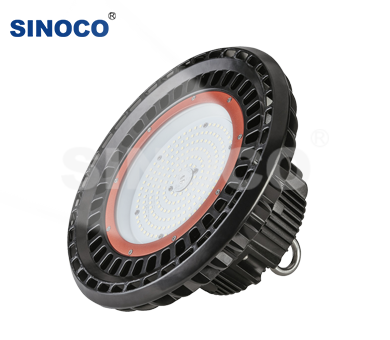
- UFO LED High Bay: Round and compact, easy to install.
- Linear LED High Bay: Long, bar-shaped, ideal for aisle and racking lighting.
Their lumen output (brightness) ranges from 10,000 to over 45,000 lumens depending on the wattage, making them suitable for small to very large spaces.
2025 LED High Bay Light Price Overview (Based on Wattage)
The cost of LED high bay lights in 2025 is mainly determined by wattage, which defines power consumption and light output.
Average Prices by Wattage
| Wattage | Lumens Output | Average Price (USD) | Application |
|---|---|---|---|
| 100W | 13,000 – 15,000 | $40 – $60 | Garages, small workshops |
| 150W | 20,000 – 24,000 | $55 – $80 | Warehouses, shops |
| 200W | 26,000 – 30,000 | $70 – $100 | Factory floors, large storage areas |
| 240W | 30,000 – 36,000 | $90 – $130 | Gymnasiums, tall ceiling buildings |
| 300W | 36,000 – 45,000 | $110 – $150 | Aircraft hangars, stadiums |
This pricing varies based on the brand, build quality, extra features, and whether the light includes sensors or smart controls.
What Affects the Price of LED High Bay Lights?
Type of Light
- UFO High Bay: Affordable, simple, ideal for open spaces
- Linear High Bay: Slightly more expensive, ideal for narrow or aisle-based layouts
Lumen Output
Higher lumens = more brightness = higher cost. Choose lumens based on ceiling height and application.
Material Quality
- Die-cast aluminum improves durability and heat management
- Plastic casing reduces price but affects longevity
Energy Efficiency Rating
Lights with 130–160 lumens per watt are more efficient and cost slightly more
Dimming & Sensors
- Dimmable or motion sensor models cost $10–$30 more per unit
- Great for energy savings in low-traffic zones
Certifications
- UL, DLC, CE, and RoHS certifications increase price but guarantee safety, reliability, and rebate eligibility
Smart Features
Lights with wireless controls, timers, or Bluetooth add extra cost
LED vs. Traditional High Bay Light: Cost Breakdown
Here’s how LED high bay lights compare to older technologies:
| Type | Initial Cost | Power Consumption | Lifespan (Hours) | Maintenance |
|---|---|---|---|---|
| Metal Halide | $60 | High (400W) | 10,000 | Frequent |
| Fluorescent (T5/T8) | $50 | Moderate (200W) | 15,000 | Moderate |
| LED High Bay | $70 – $150 | Low (100W–300W) | 50,000+ | Minimal |
LEDs cost more upfront but save significantly on energy and maintenance, making them the most cost-effective over time.
Long-Term Cost Savings (Beyond Purchase Price)
Lower Energy Bills
Reduces power use by up to 70% compared to metal halides.
Longer Lifespan
LEDs last over 50,000 hours—5x longer than traditional lamps.
Reduced Downtime
Fewer replacements mean lower labor costs.
Cooling Cost Savings
LEDs emit less heat, reducing load on air conditioning.
Government Rebates
Qualify for energy-efficiency rebates from local utilities.
What to Look for When Buying LED High Bay Lights in 2025
Lumens per Watt
Higher lm/W means better efficiency. Aim for 130–160 lm/W.
Beam Angle
A 90°–120° beam angle is standard for broad light spread.
Color Temperature
4000K for soft white, 5000K for daylight brightness.
Warranty
At least 5 years.
IP Rating
IP65 for dust and water resistance.
Voltage Support
Match with facility voltage (100–277V or 277–480V).
Dimming Capabilities
Save power with dimmable models.
Mounting Type
Hook, chain, or surface mount depending on ceiling type.
Where to Buy LED High Bay Lights in 2025?
You can find LED high bay lights both online and in stores.
Recommended Suppliers
- Amazon – Affordable options, wide variety, and customer reviews
- Alibaba/Aliexpress – Bulk orders with low prices, especially for resellers
- Home Depot & Lowe’s – Trusted brands with local availability
- Lighting Direct / SuperBrightLEDs – For high-end commercial lighting
- Specialty Electrical Wholesalers – Better pricing for large commercial projects
Average Installation Cost in 2025
| Installation Type | Average Cost (Per Fixture) |
|---|---|
| DIY (simple hook mount) | $0 – $10 |
| Basic electrician service | $50 – $80 |
| Smart sensor setup | $80 – $150 |
Bulk Discounts: How Much Can You Save?
Buying LED high bay lights in bulk can reduce your costs significantly.
| Quantity Ordered | Discount Range |
|---|---|
| 10 – 50 units | 5% – 10% |
| 51 – 100 units | 10% – 15% |
| 100+ units | 15% – 25% |
LED High Bay Light Price Trends for 2025 and Beyond
Decreasing Manufacturing Costs
Global production improvements have lowered costs.
Technology Advancement
Higher lumens per watt means fewer lights needed.
Government Policies
Incentives for energy-efficient lighting continue.
Increased Competition
More brands lead to better pricing and features.
Smart Integration
Demand for smart lighting systems is rising, impacting premium pricing.
Real-Life Lighting Setup Examples
Warehouse
200W UFO lights spaced 15–20 ft apart.
Retail Store
150W linear lights in rows for even light distribution.
Factory
240W high lumen lights for bright task-focused lighting.
School Gym
300W fixtures to light tall spaces with even coverage.
Summary Table: Quick Cost Checklist
| Component | Cost Range (USD) |
|---|---|
| Light Fixture (100–300W) | $40 – $150 |
| Installation (per light) | $0 – $100 |
| Sensor/Dimming Add-ons | $10 – $30 |
| Average Lifetime (Hours) | 50,000+ |
| Power Consumption | 100W – 300W |
| Energy Cost (Annual/Light) | $20 – $50 |
| Maintenance | Very Low |
| Warranty | 5 – 10 Years |
FAQs: LED High Bay Light Pricing in 2025
Is 150W LED enough for a 20-foot ceiling?
Yes, 150W is usually sufficient for 18–22 foot ceilings depending on lumen output (aim for 20,000–24,000 lumens).
Can I replace metal halide bulbs with LED high bays?
Yes, 1-to-1 replacement is common. Match lumens, not just wattage.
How many LED high bay lights do I need?
It depends on ceiling height, space size, and brightness needs. Use a lighting calculator or ask a supplier for layout planning.
Are rebates available in 2025?
Yes, many governments and utilities still offer rebates for energy-efficient lighting.
Do LEDs need special wiring?
Most high bay LEDs support standard voltages (100–277V). Some industrial setups may require 347–480V rated fixtures.
Conclusion: Final Thoughts on LED High Bay Light Prices in 2025
Understanding the LED high bay light price in 2025 is more than just looking at a number—it’s about knowing what you’re paying for and why. The average cost per unit ranges between $40 to $150, depending on wattage, design, features, and quality. But beyond the initial purchase, LED high bay lights deliver major long-term value. They cut down on electricity bills, reduce maintenance, and last for years, often over 50,000 hours.
When you choose the right wattage, check for certifications like DLC or UL, and look for features like dimming or motion sensors, you make a smarter investment. Whether you’re upgrading a warehouse, gym, or manufacturing plant, these lights can pay for themselves within a couple of years through energy savings alone.
Before buying, compare prices, calculate your total lighting needs, and check for local rebate programs. Bulk discounts and proper planning can save even more.
In short, LED high bay lights in 2025 are a cost-effective, long-term solution for any large-scale indoor lighting need—powerful, practical, and smart.Tags:Commercial LED Lights, led high bay light price, LED Lighting 2025, LED vs Metal Halide, Warehouse Lighting