

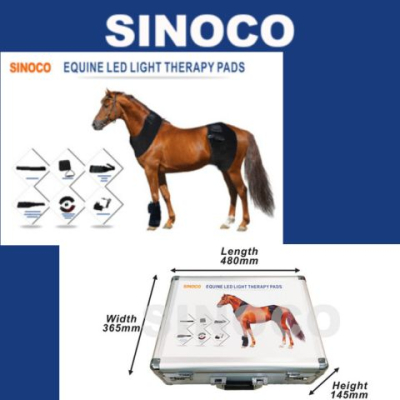
Caring for horses goes far beyond the basics of feed, water, exercise, and regular hoof trimming. Any experienced horse owner knows that challenges such as injuries, muscle soreness, or slow healing can appear at any time, and finding safe, effective ways to help a horse recover is always a priority. Over the past several years, one approach that has steadily moved from the veterinary clinic into everyday barns and training programs is the equine light therapy kit.
Often referred to as photobiomodulation, low-level laser therapy, or red and infrared light treatment, this method relies on specific wavelengths of light that interact with cells at the tissue level. The process may sound technical, but the principle is simple: by stimulating cellular activity, light therapy can encourage repair, reduce swelling, and support natural healing.
What makes it especially appealing to horse owners is its noninvasive nature. Unlike many medical treatments that involve long recovery times or carry the risk of side effects, light therapy kits can be used safely alongside existing care routines. Whether dealing with tendon injuries, wounds, or general recovery after training, the data and case studies suggest promising results.
Equine light therapy kit everything horse owners need to know
In this guide, we will explain everything horse owners need to know about equine light therapy kits, including how they work, their benefits, proper usage, safety considerations, and tips for selecting the right kit for your horse.
1. Understanding Light Therapy & Photobiomodulation
Equine light therapy, also known as photobiomodulation or low-level laser therapy (LLLT), is a treatment method that uses specific wavelengths of red and infrared light to stimulate cellular repair in horses. The therapy is based on decades of human and veterinary research showing how light can interact with tissue at the cellular level.
Here’s how it works in simple terms:
- Light penetrates the skin and reaches cells in muscles, tendons, and connective tissue.
- Inside each cell, light is absorbed by mitochondria, the “energy factories.”
- This process increases ATP (adenosine triphosphate) production, which is the fuel cells need to repair and regenerate.
- As a result, tissues experience improved blood flow, reduced inflammation, and faster healing.
Common terms you may encounter include:
- Red Light Therapy: Typically wavelengths around 600–700 nanometers, effective for skin, surface wounds, and circulation.
- Infrared Light Therapy: Deeper penetration at 800–1000 nanometers, reaching muscles, tendons, and ligaments.
- Class III and Class IV Lasers: Differentiated by power output, with Class IV devices reaching deeper tissues in less time.
- LED Panels vs. Laser Devices: LEDs are useful for broader areas, while lasers are more precise for targeted treatment.
This is why light therapy is often called a non-invasive rehabilitation tool. It doesn’t cut, puncture, or medicate the horse; it simply stimulates the horse’s natural healing processes.
2. Why Horse Owners Should Care: Real Benefits
For horse owners, light therapy is valuable because it offers practical solutions to common issues without heavy reliance on drugs or prolonged stall rest. Below are the key benefits explained clearly:
- Pain Relief: By reducing inflammation and improving blood flow, horses often show less stiffness and greater comfort.
- Accelerated Healing: Wounds, cuts, and abrasions can close faster when light therapy is applied correctly.
- Tendon and Ligament Support: These injuries are among the slowest to heal. Light therapy helps stimulate tissue repair and can reduce recovery time.
- Improved Circulation: Better blood flow delivers nutrients and oxygen, supporting both healing and overall performance.
- Muscle Relaxation: Post-workout soreness can be reduced, helping performance horses recover between events.
- Versatility: Light therapy can be used on sport horses, leisure horses, aging horses, and even foals for safe healing support.
Table: Benefits of Equine Light Therapy by Condition
| Condition | How Light Therapy Helps | Typical Target Area |
|---|---|---|
| Surface wounds & cuts | Stimulates skin cell repair, reduces infection | Skin and surrounding tissue |
| Tendon/ligament injury | Deep penetration supports collagen formation | Legs, joints, suspensory |
| Arthritis & stiffness | Reduces inflammation, improves circulation | Joints, hocks, knees |
| Muscle soreness | Relaxes fibers, boosts blood oxygenation | Back, neck, hindquarters |
| Post-surgery recovery | Speeds tissue healing and reduces scar formation | Surgical site & edges |
3. Putting It All Together: Light Therapy Kit Essentials
When purchasing an equine light therapy kit, it’s important to know what’s typically included and how each part contributes to treatment.
Standard Components:
- Device: Handheld laser, LED panel, or combination unit.
- Wavelength Settings: Most quality kits allow both red (600–700 nm) and infrared (800–1000 nm).
- Power Levels: Adjustable settings ensure correct dosing.
- Safety Accessories: Eye protection for both horse and handler.
- Carrying Case: For storage and mobility, especially for trainers and vets who travel.
- Instruction Manual or Protocol Guide: Step-by-step instructions for different injuries.
Features that Matter:
- Treatment Timer: Prevents overexposure and helps maintain consistency.
- Rechargeable Battery: For convenience in barns or outdoor arenas.
- Coverage Options: Some devices are better for large muscle groups (panels), while others target small, precise areas (lasers).
Checklist Before Buying a Kit:
- Does the kit offer both red and infrared wavelengths?
- Is the device portable for stable use?
- Are safety glasses included?
- Are treatment guidelines easy to follow?
- Is it veterinary-approved or supported by equine professionals?
4. Case Study Snapshot: Putting Data in Context (Simplified Without Examples)
Instead of detailed stories, here’s a neutral overview of how equine light therapy outcomes are usually evaluated:
- Healing Time Measurement: Comparing how quickly wounds or injuries close versus untreated cases.
- Lameness Scores: Monitoring mobility improvement in horses receiving therapy.
- Ultrasound/MRI Imaging: Objective tracking of tendon or ligament healing.
- Flexibility & Range of Motion: Observing muscle stiffness reduction post-treatment.
- Performance Return: Time taken for sport horses to safely return to training or competition.
This structured evaluation helps horse owners understand that results are not just “visible improvement” but can be measured in clinical terms.

5. Safety, Contraindications, and Best Practices
Like any therapy, light treatment must be applied correctly to be effective and safe.
Safety Guidelines:
- Always follow recommended dose, wavelength, and duration.
- Use eye protection for humans and avoid shining directly into the horse’s eyes.
- Do not apply over open growth plates in young horses unless guided by a vet.
- Avoid direct use on suspected tumors until cleared by a veterinarian.
Contraindications:
- Horses with skin infections should not be treated until infection is managed.
- Avoid prolonged exposure in one spot, as this can cause mild burns with high-power lasers.
- Pregnant mares should only be treated under veterinary supervision.
Best Practices:
- Apply therapy to clean, dry skin.
- Consistency matters: short, regular sessions are better than occasional long ones.
- Combine light therapy with traditional care such as rest, controlled exercise, and proper nutrition.
6. Buying Guide: What to Look for in a Light Therapy Kit
When comparing equine light therapy kits, consider the following:
1. Device Type
- Laser Devices: More powerful, deeper penetration.
- LED Devices: Safer for at-home use, cover larger areas.
2. Wavelength Range
- Red (600–700 nm) for surface treatment.
- Infrared (800–1000 nm) for deep tissue.
3. Power Output
- Adjustable levels allow treatment of both sensitive areas (like wounds) and deeper tissues (like tendons).
4. Portability & Design
- Lightweight, rechargeable, and durable kits are best for barns and fieldwork.
5. Cost & Warranty
- Prices range from a few hundred dollars (basic LED kits) to several thousand (Class IV lasers).
- Warranty length and after-sales support are indicators of reliability.
Comparison Table: LED vs Laser Kits
| Feature | LED Panel Kit | Laser Device Kit |
|---|---|---|
| Depth of penetration | Shallow to moderate | Deep tissue (up to 8 cm) |
| Coverage area | Large, broad coverage | Small, targeted precision |
| Ease of use | Beginner-friendly | Requires training |
| Cost | $300–$800 | $2,000–$6,000 |
| Treatment time | 10–20 minutes per area | 2–8 minutes per area |
7. How to Integrate Light Therapy Into Your Routine
Adding light therapy to your horse’s care plan should be systematic and consistent.
Step-by-Step Routine:
- Assessment: Identify whether the problem is surface (like cuts) or deep tissue (like tendons).
- Device Selection: Choose LED panels for surface, laser devices for deeper tissue.
- Set Protocol:
- Surface wound: Red light, 8–10 minutes, daily.
- Tendon injury: Infrared, 2–5 minutes, several times per week.
- Record Progress: Keep a log of treatments, duration, and horse’s response.
- Combine with Rehab: Light therapy works best with controlled exercise, balanced diet, and veterinary guidance.
- Long-Term Use: Many owners use kits as part of preventive maintenance, applying therapy post-training to reduce soreness.
FAQs
Q1: Is equine light therapy safe for all horses?
Yes, when used properly with correct settings. Always avoid eyes, tumors, and infected wounds.
Q2: How quickly can results be seen?
Minor issues like stiffness may improve in days, while deeper injuries like tendon damage may take weeks to months.
Q3: Can I use a human red-light device on my horse?
Most human devices lack the power needed for deep equine tissue. Equine-specific kits are recommended.
Q4: Do I still need a vet if I buy a light therapy kit?
Yes. Light therapy complements veterinary care but does not replace diagnosis or treatment planning.
Q5: How often should I use light therapy?
Depends on the issue. Acute wounds may need daily sessions, while chronic issues may require several times per week.
Conclusion
Equine light therapy has become a reliable tool for horse owners who want to support healing, improve performance recovery, and reduce reliance on medications. By using targeted red and infrared wavelengths, light therapy stimulates natural cellular repair, enhances blood circulation, and reduces inflammation. This makes it suitable for a wide range of situations, from managing surface wounds to assisting with deeper tendon and ligament issues.
The real value of a light therapy kit lies in how it can be integrated into regular care routines. When applied correctly, it can shorten recovery times, ease stiffness after training, and improve overall comfort for horses of all ages. Choosing the right kit means paying attention to wavelength, power, portability, and safety features, as well as following structured protocols to achieve consistent results.
While light therapy is not a replacement for veterinary care, it is a proven complementary option that fits well into modern equine management. For horse owners who want practical, noninvasive solutions, investing in a light therapy kit is a step toward keeping their horses healthier and more resilient over the long term.Tags:equine light therapy kit, horse led light therapy, light therapy kit, Sinoco