

LED downlights have become a fundamental lighting solution across residential, commercial, and industrial spaces due to their energy efficiency, longevity, and versatile design. As demand rises, selecting the right LED downlight manufacturer and supplier. It is crucial for businesses aiming to deliver reliable, high-quality lighting products. The market offers a wide array of suppliers varying greatly in product quality, technology, certifications, and production capacity. This complexity can make choosing a supplier challenging.
LED downlight manufacturer and supplier guide
This guide breaks down the key factors businesses must consider to make confident decisions when sourcing LED downlights. From understanding specific project requirements and verifying product certifications to evaluating manufacturing capabilities and customer support, each step ensures the chosen supplier aligns with operational goals.
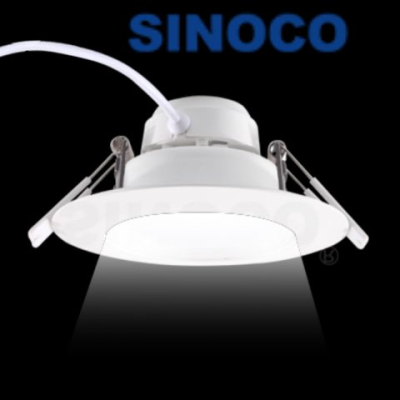
Leading manufacturers like Sinoco Lighting Technologies Co., Ltd. demonstrate how stringent quality standards, technological innovation, and scalable production can create successful partnerships. By following the criteria outlined here, manufacturers can mitigate risks, optimize costs, and enhance customer satisfaction with their lighting solutions.
LED downlight manufacturer’s guide to choosing the right supplier
Whether upgrading an existing supply chain or launching new projects, this guide offers practical insights to navigate the selection process efficiently and effectively.
Understand Your Requirements
Start by clearly defining your needs: wattage, beam angle, color temperature, dimming compatibility, and expected order volume. Consider the installation environment—residential, commercial, or industrial—as product specifications vary accordingly. Budgeting should factor in total cost of ownership, including energy consumption and maintenance. Documenting these points sets a strong foundation for evaluating suppliers.
Verify Supplier Certifications
Certifications demonstrate compliance with international quality and safety standards. Essential certifications to look for include ISO 9001 (quality management), CE and UL (product safety), RoHS (environmental compliance), and depending on the market, ENEC, CB, or DLC. Maintaining an updated certification checklist can ease ongoing audit requirements and supplier reliability assessments.
Evaluate Product Quality and Technology
Assess the materials—aluminum housings improve heat dissipation and durability. Driver quality impacts flicker-free dimming and energy efficiency. Check luminous output, color rendering index (CRI), and batch consistency. Look for technology innovations such as smart lighting integration or adjustable beam angles. Request samples for performance validation, including lifespan, luminous efficiency, and thermal management metrics.
Assess Production Capacity and Lead Times
Confirm the manufacturer’s daily, weekly, and monthly production capabilities to ensure order fulfillment without delay. Evaluate lead times for small and bulk orders and their scalability for demand surges. Effective inventory management and the ability to maintain stock levels mitigate risks of project interruptions.
Review Customer Support
Reliable communication channels (email, phone, online chat), technical assistance for installation and troubleshooting, warranty coverage, and return policies are critical. Supplier responsiveness helps minimize downtime and operational disruption.
Analyze Pricing and Payment Terms
Collect detailed quotes including unit price, shipping costs, and payment options such as credit periods and bulk discounts. Evaluate the total cost of ownership beyond upfront costs, considering energy use and maintenance. Transparent pricing and flexible terms improve financial planning.
Check Supplier Reputation and References
Research online reviews, industry feedback, and request client references. Evaluate track records for on-time delivery, product quality consistency, and after-sales service. Industry awards or certifications can further affirm credibility.
Case Study: Sinoco Lighting Technologies Co., Ltd.
Sinoco is a leading LED downlight manufacturer and supplier. headquartered in Shenzhen, China. Their products hold multiple certifications including TUV, CB, ENEC, CE, RoHS, UL, ETL, and DLC, ensuring compliance with global standards. Sinoco’s manufacturing facility covers 8000 square meters with advanced foundry and assembly workshops.
They maintain a product quality pass rate above 99.99%, reflecting stringent quality control. Sinoco offers scalable production, reliable after-sales support, and flexible payment conditions.
Their collaboration with established brands like NICHIA and CREE supports continuous technology innovation. With energy efficiencies reaching 260 lumens per watt, Sinoco provides dependable, energy-saving lighting solutions suited for diverse market needs.
1. What certifications are essential for LED downlight suppliers?
When choosing an LED downlight supplier, certifications are one of the first things you should check. These ensure that the products meet international standards for safety, performance, and environmental responsibility.
- ISO 9001 confirms that the supplier follows strict quality management systems.
- UL (Underwriters Laboratories) certification guarantees safety compliance, especially for North American markets.
- CE marking shows that the product meets EU health, safety, and environmental requirements.
- RoHS ensures the lights are free from hazardous substances like lead or mercury.
- ENEC is a recognized mark across Europe, demonstrating electrical product compliance.
- CB Scheme allows easier access to multiple global markets with a single certification.
- DLC (DesignLights Consortium) is critical for energy efficiency and rebate eligibility in North America.
A reliable supplier should have most, if not all, of these certifications, reflecting their commitment to global quality standards.
2. How to verify production capacity?
Before signing a contract, it’s essential to know if the supplier can handle your order volume both now and in the future. Ask for:
- Monthly or annual output data to understand their typical production scale.
- Lead times for standard and bulk orders to evaluate efficiency.
- Scalability information, such as whether they can expand production during peak demand or custom projects.
Some buyers even conduct on-site visits or third-party audits to verify machinery, workforce, and inventory systems. This step helps you avoid delays, stock shortages, and unreliable supply chains.
3. Why is after-sales support important?
After-sales service can be the difference between smooth operations and constant headaches. A supplier with strong support provides:
- Technical troubleshooting to solve performance issues quickly.
- Warranty management, ensuring replacements or repairs are handled without unnecessary costs or delays.
- Continuous communication, so you’re not left in the dark after purchase.
Good after-sales support not only reduces downtime but also builds a long-term relationship where the supplier takes responsibility for product performance throughout its lifecycle.
4. Is pricing the main deciding factor?
While price is always a consideration, it shouldn’t be the sole factor in supplier selection. Cheaper options may save you upfront, but poor quality, lack of certifications, or unreliable delivery can cost much more in the long run. Instead, look at:
- Quality of components (chipsets, drivers, heat sinks).
- Certifications ensuring compliance with safety and efficiency standards.
- Reliability of supply and service.
Balancing cost with quality, compliance, and dependability offers far greater long-term value than focusing on the lowest price.
5. How to evaluate supplier reputation?
A supplier’s reputation says a lot about their reliability. Here’s how you can assess it:
- Customer feedback and reviews on third-party platforms or trade sites.
- Industry recognition through awards, certifications, or association memberships.
- References from existing clients, which can provide real-world insights into product performance and service quality.
- Longevity in the market, since suppliers with years of experience often have stronger processes and reliability.
By combining online research with direct feedback from other customers, you can gauge whether the supplier is trustworthy and aligned with your business needs.
Conclusion
Choosing the right LED downlight manufacturer is crucial in ensuring energy-efficient and reliable lighting solutions that meet project needs and regulatory standards. Evaluating suppliers based on clear requirements, certifications, product quality, production capacity, customer support, pricing, and reputation reduces risks of delays and poor performance.
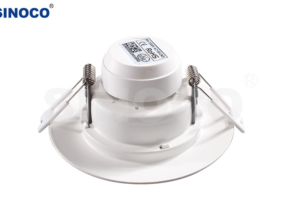
Manufacturers like Sinoco Lighting Technologies Co., Ltd. exemplify how quality certifications, technological innovation, scalable production, and after-sales service contribute to a dependable partnership. Applying a systematic selection approach not only guarantees consistent supply but also supports operational efficiency and long-term business success in the competitive LED lighting market.Tags:LED downlight manufacturer, Sinoco LED